
If you see the Hound at Notting Hill Carnival this bank holiday weekend
remember to shake your maracas and holler………
Copyright courtesy of EMI Group Archive Trust
That Night In Rio (1941)
If you see the Hound at Notting Hill Carnival this bank holiday weekend
remember to shake your maracas and holler………
That Night In Rio (1941)
Trevor Lloyd Williams
“The money behind the music”
Name: Trevor Lloyd Williams
Born: 18 July 1859, Deudraeth Castle, Penrhynd, Merionethshire, Wales
Resident: London
Occupation: Solicitor, The first major British investor and registered The Gramophone Company in the United Kingdom in 1898 with William Barry Owen
Loves: Classical music, Law, Travelling, Investing in new inventions from across the pond
·
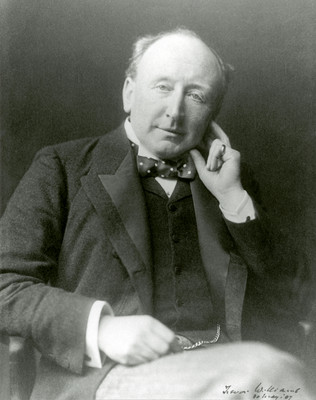
In the very early days of the Gramophone Company Emile Berliner (inventor of flat discs and the gramophone) sent his partner William Barry Owen to London to generate some interest and investors in the gramophone to launch the company. After many months of high profile engagements in London Owen wasn’t having much luck. In a final attempt for investment he gave his young solicitor, Trevor Williams, a gramophone to take home for one evening. Williams was unimpressed by the prospects of the gramophone to begin with but was convinced on trip to New York where he met Berliner and witnessed for himself the recording industry beginning to become established in the United States.
When he returned to London, Williams along with three of his friends, arranged for a bank guarantee of £5000. This wasn’t as much as Owen and Berliner had hoped for but just enough to kick start the company.

On February 23rd 1898 Owen and Williams registered the small, private Gramophone Company. Trevor Williams had overall control and Owen was his general manager. Gramophones would be assembled in London from components supplied by America. The company made its own recordings, but the actual records would be pressed at a factory in Hanover, Germany, at a factory plant owned by Berliner’s brother. Trevor Williams knew that the American taste in music would not be big sellers in the Victorian salons, so recording specific musicians that would be to the taste of Victorian Britain was essential.
“Williams put his foot down and insisted on selecting his own repertoire”
-William Barry Owen
The Company set up its offices at 31 Maiden Lane, just off the Strand. It was a shabby old building, part of which served as a make do hotel. However it was close to many of London’s theatres and music halls, where London’s brightest and best singers could be found easily. At the time Williams and Owen had no way of conducting the recording sessions for themselves, however Berliner was not prepared to share the details of his record making process with the two business men. Instead Berliner sent his trusted young sound engineer, Fred Gaisberg, to London to start making recordings for the European market.
One of the first ever recordings was the Welsh National Anthem, Hen Wlad Fy Nhadau, sung by Trevor Williams’ niece, Madge Breese.
For Hound readers with access to the Welsh Language channel S4C wishing to learn more about the Welsh connection watch S4C Darn Bach o Hanes (a little piece of History) 26 August 20.25 to 21.00
Dewi Prysor looks at the Welsh connection in the history of recorded music. He learns about the Welsh roots of the music recording and publishing company EMI, attempts to record his own voice using some early technology, and visits EMI Archive Trust to listen to the first recording in Welsh.
Full points to Rob, Andy and Russell who deftly identified last weeks Mystery Object of the Week as an early Tin Foil Phonograph.
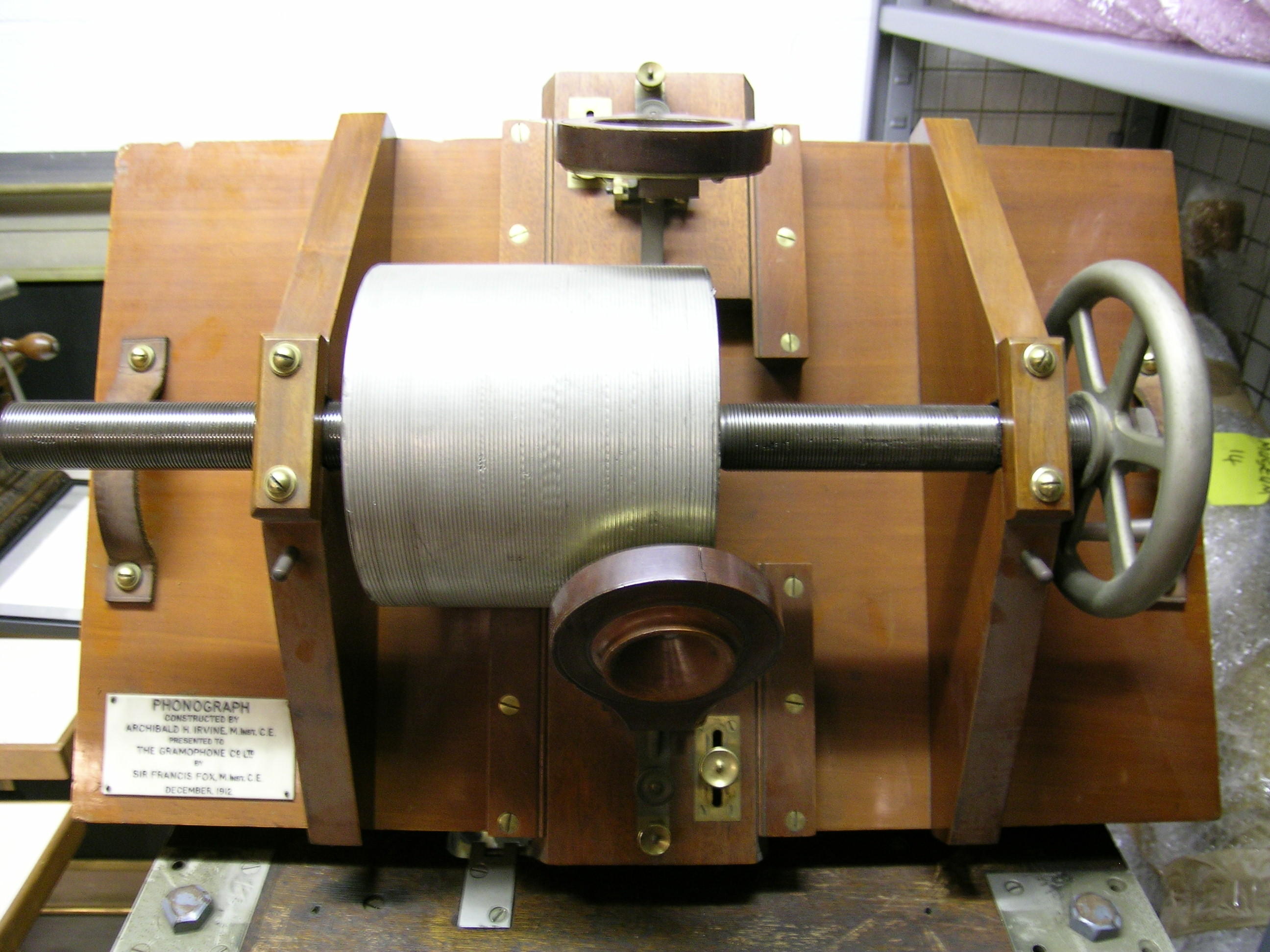
Object: Modified Tin Foil Phonograph Maker Archibald H.Irvine, 1877
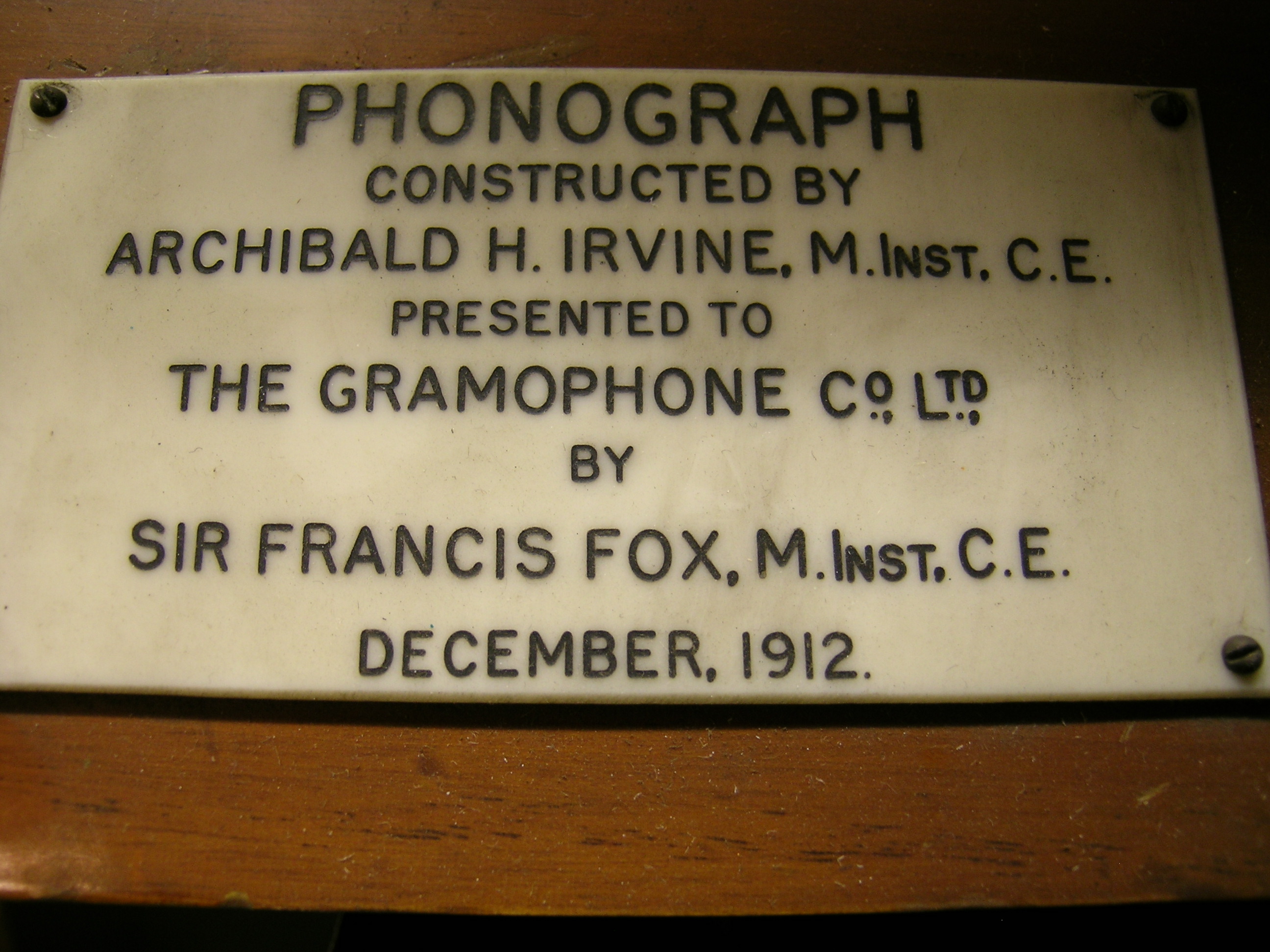
This is a rare hand-driven modified Edison tin foil phonograph on a heavy mahogany base with mahogany trunnions and speaker/reproducer mounts (one with diaphragm). It has brass fittings and an iron mandrel on a shaft threaded at each end, with a spoked hand-wheel. It has now been raised on wooden supports for angled display. It was constructed by Archibald H. Irvine (M.Inst. C.E.) for the first Phonograph demonstration and lecture, and exhibited before the Royal Institute by Sir William Priestly in December 1877. It was presented to the Gramophone Company by Sir Francis Fox (M. Inst. C.E.) in December 1912. Sir Francis Fox also donated some original tin foil strips to The Gramophone Company.”
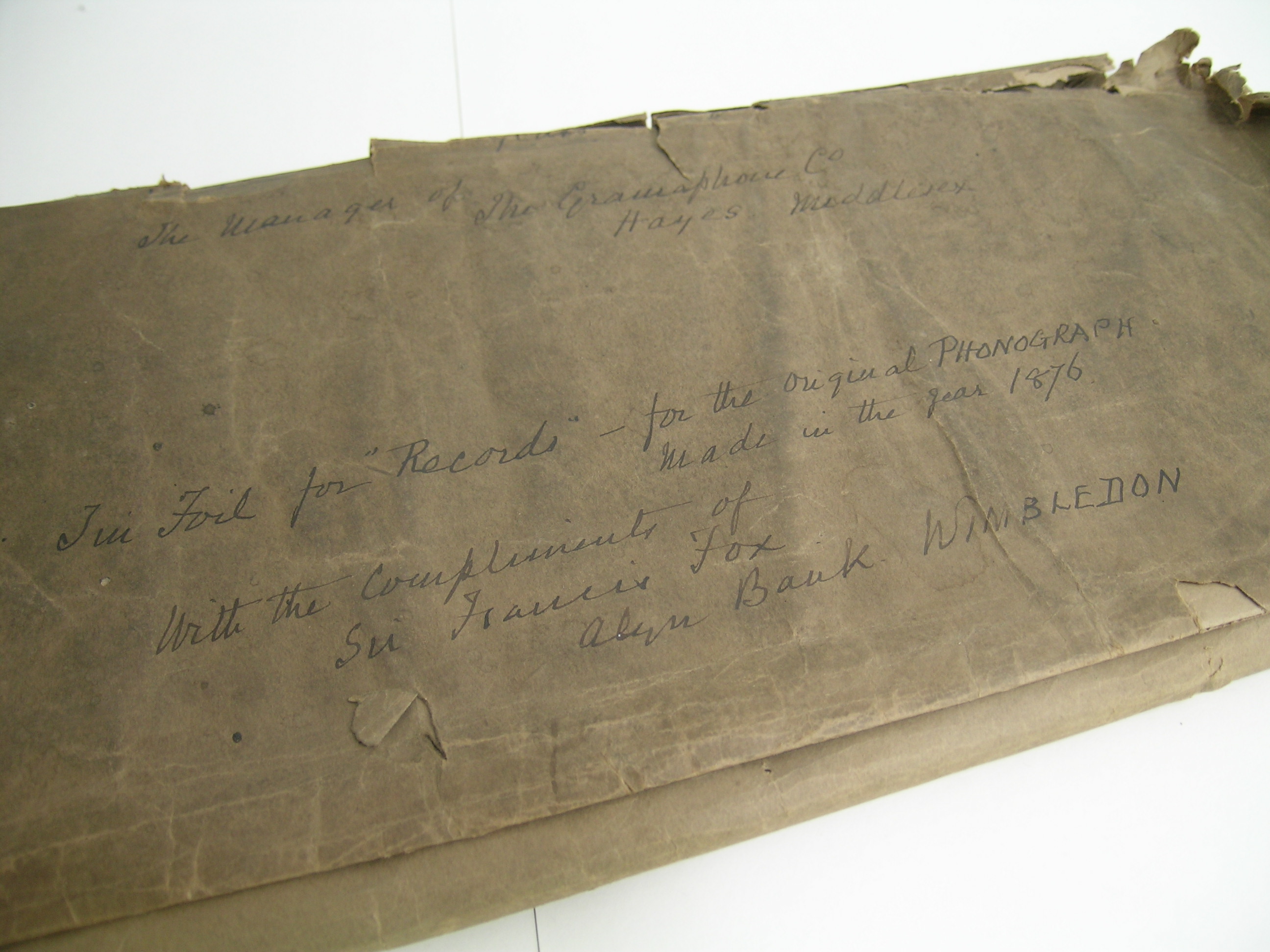
This is a sample of original tin foil for recording and reproducing on early phonographs. The tinfoil is stored between two heavy glass sides to ensure it remains flat. The paper covering the glass sides is written on in ink and reads “The Manager of The Gramophone Co Hayes Middlesex. Tin Foil for “Records” – for the original Phonograph made in the year 1876. With compliments Sir Francis Fox.
Sir Francis Fox also donated a Tin foil phonograph to The Gramophone Company.
The Hound thought you’d enjoy this clip of Michael Wolf demonstrating his own Tin Foil Phonograph.
Thank you to our friends at the EMI Archive Trust for allowing us to share their archive through Mystery Object of the Week.
The Hound would like to thank Mr Tony Locantro for sending these rare images of one of the first recording artists for the Gramophone Company, Miss Syria Lamonte.
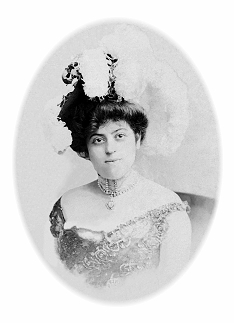
By Tony Locantro
The Australian soprano Syria Lamonte was probably the first woman to be commercially recorded outside of the USA and history does her a great disservice by remembering her as a waitress at Rule’s Restaurant ‘with aspirations to be a singer’ as I saw quoted recently. She had already been successful in Australia in the theatre singing in operettas and giving concerts during the 1890s before coming to Europe to further her career and was apparently working at Rule’s in 1898 while seeking work in London. She eventually went on to appear successfully for several years on the music halls both in England and abroad before returning to Australia.
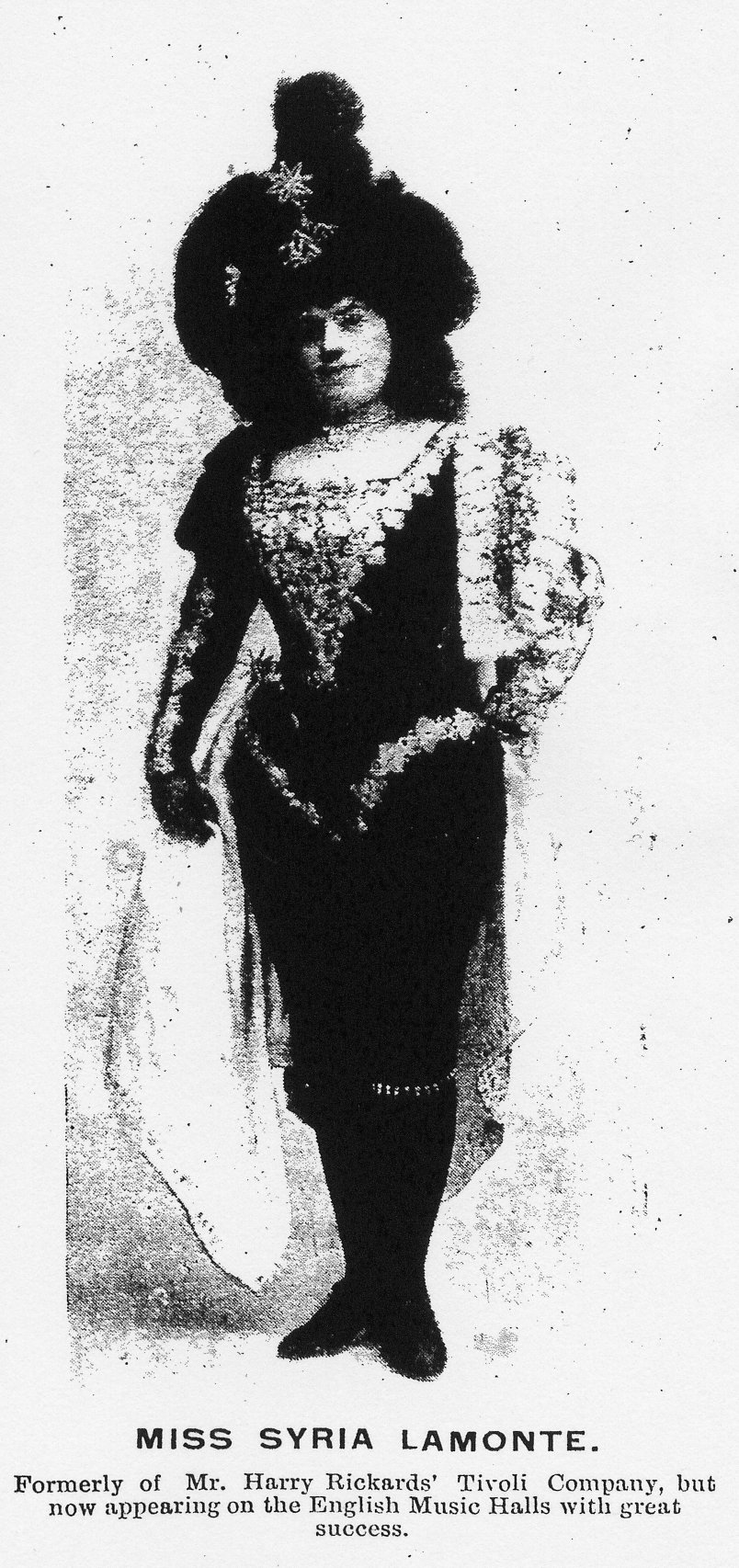
Listen to Syria Lamonte ‘Gaisberg’s Travels #2
There’s no place like home…
114 years ago, 20th August 1899, Fred Gaisberg and fellow sound engineer William Sinkler Darby were on their way back to London from Madrid via Bordeaux. They came across many strange characters and had strong opinions about the local cuisine as this extract from Gaisberg’s show’s that even after the best adventure there’s no place like home…
Sunday, 20 August 1899 [at sea]
We awake and find we are on our way to London. We enjoy the good English food once more, and make the acquaintance of some nice English chaps. The day is beautiful and the air is invigorating. After dinner, we sit in the smoking room chatting with the Captain, a jolly Englishman. We were discussing an article in a newspaper saying a woman in England had given birth to a sextette. Some of the men discredited the Captain’s statement, and he said he was not there – nor was he the father of the sextette. The distance from Bordeaux to London is about 800 miles and we’ll arrive Wednesday morning (noon).
Extract from http://www.recordingpioneers.com ©Hugo Strötbaum – Gaisberg Diaries
This weeks mystery object might set you in a spin….
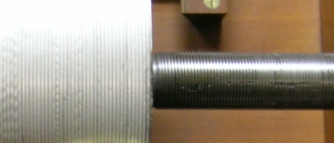
…….. can you tell what it is yet?
Congratulations to Russell Medcraft who not only knew the correct
answer but supplied the Hound with a fascinating piece of information on lasts week’s Mystery Object of the Week!
For Hound followers who may have missed Russell’s original answer read below:
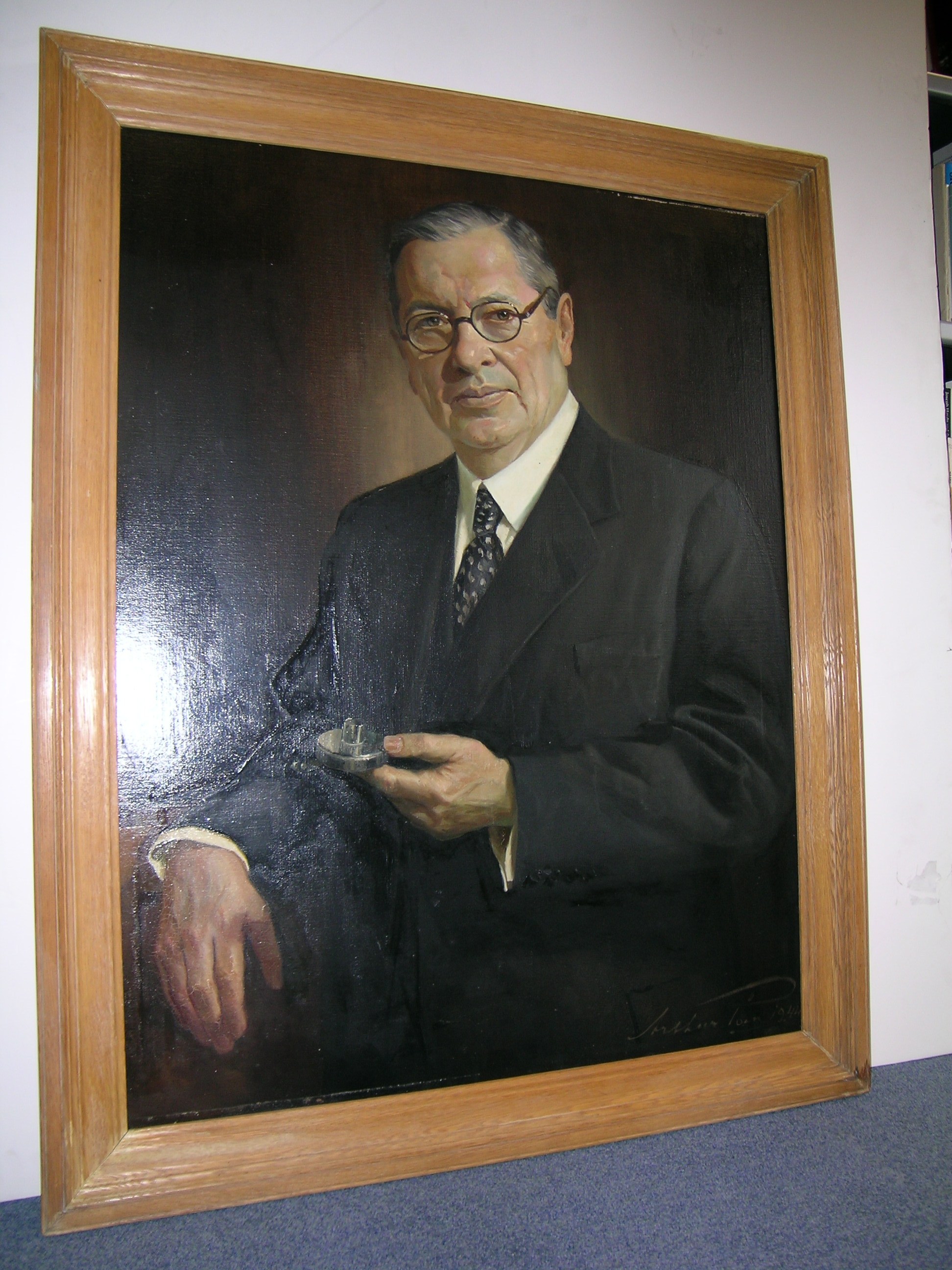
“Alfred Clark was the first EMI Chairman. He had worked with Eldridge Johnson on an improved soundbox design which they patented. On this EMI subject, I helped P.D.R..Marks develop the famous EMI 806 Microphone amplifier and other associated equipment whilst I was in the EMI Studio Sound laboratory during 1958 and 1959.”
-Russell Medcraft
Can you identify the hand that helped shape The Gramophone Company and Electric and Musical Industries Ltd …
……………………the clue to the identity of this wheeler dealer pioneer is in hand!
The Hound knew you where a knowledgable bunch, points awarded all round for getting the correct answer to last weeks question…BRAVO!
Special mention goes to Rob Spenser for not only knowing the right answer but adding an interesting piece of information on this weeks Mystery Object of the Week!
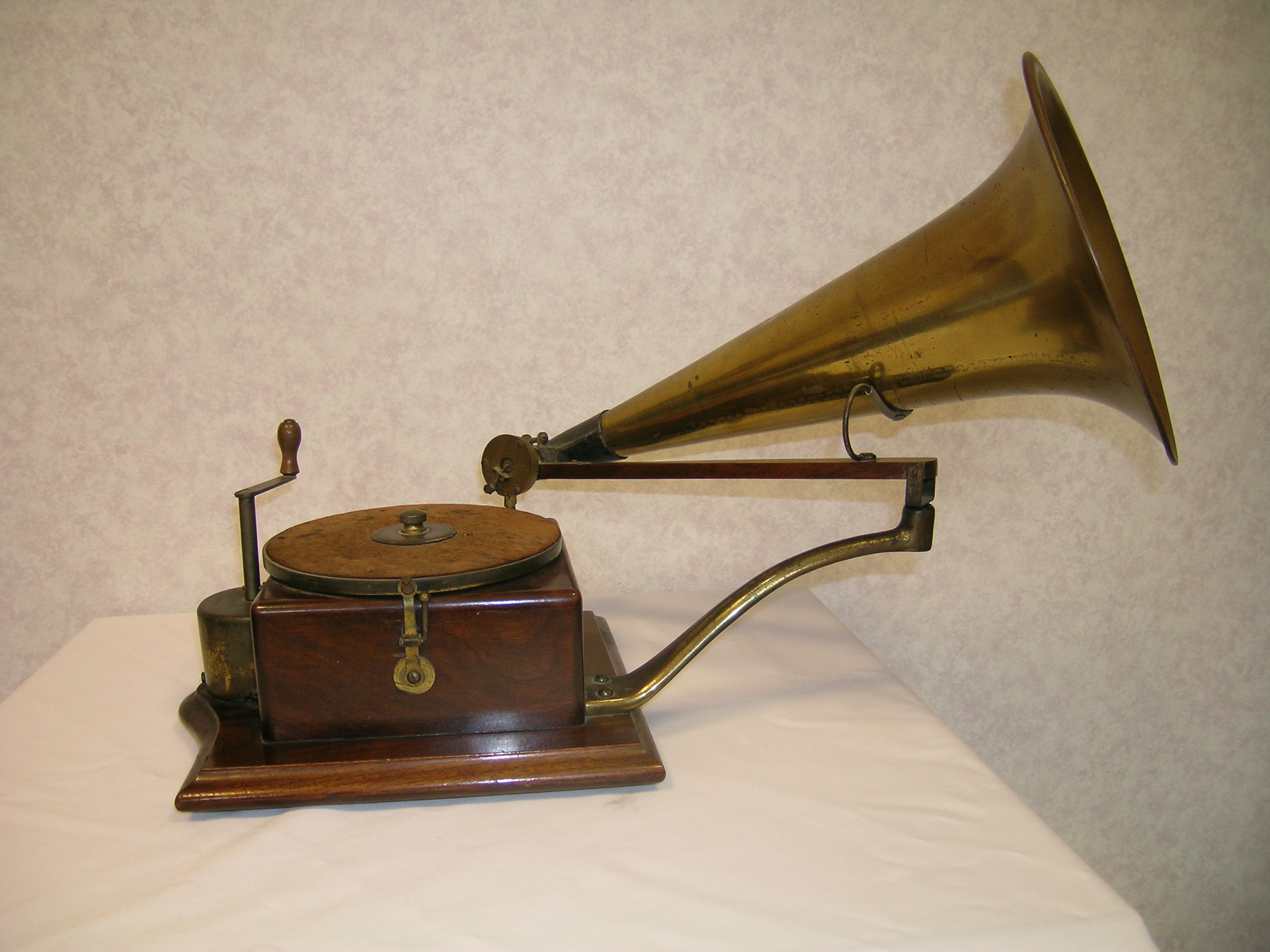 Answer
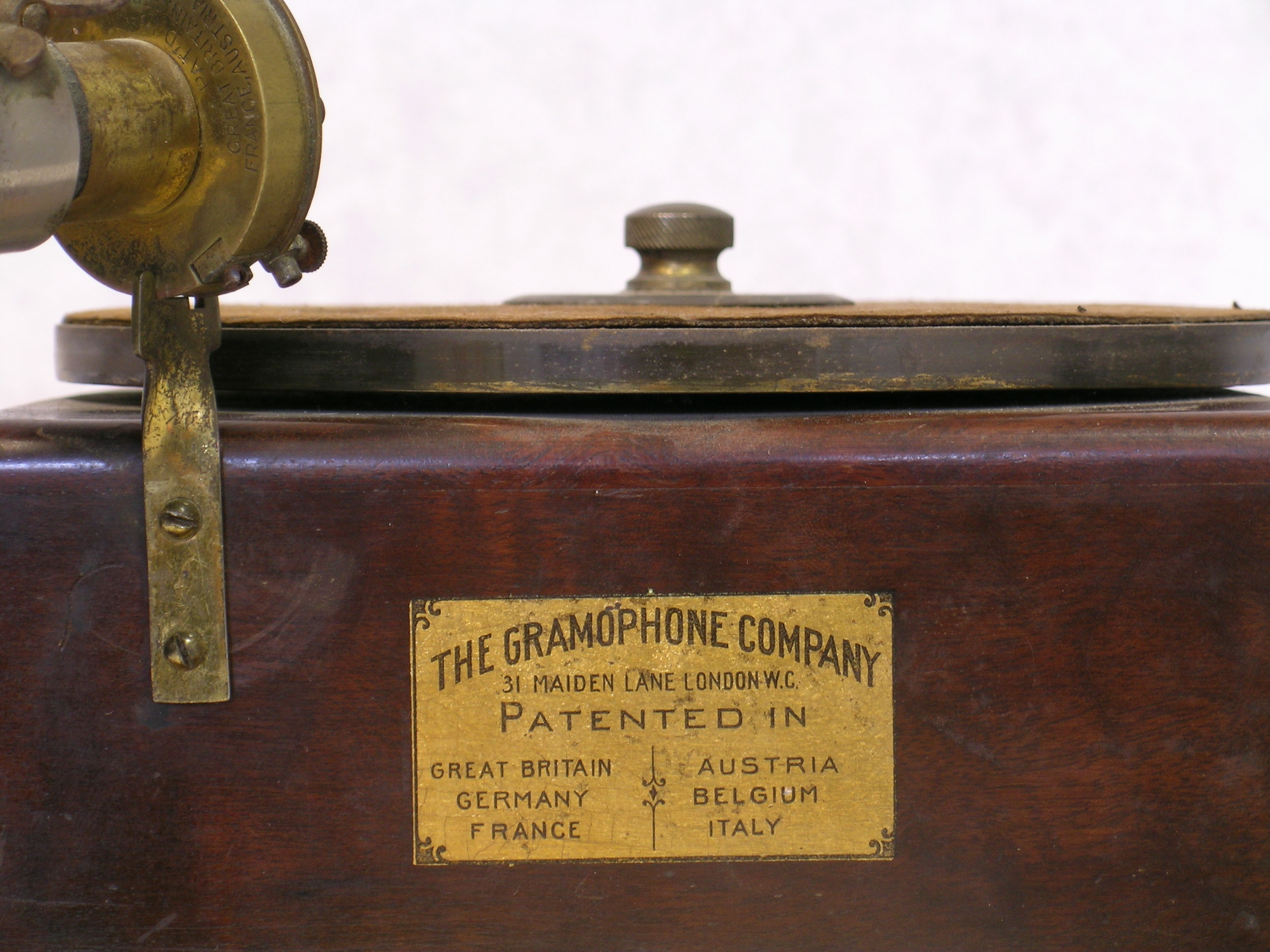
The ‘Style No.5 Gramophone’ was the first machine sold by the Gramophone Company Ltd. in 1898. It used a clockwork motor and soundbox designed by Eldridge Johnson. The wooden case is cut away at the rear to allow the semi-circular spring casing to protrude. The Style No.5 is also known as the ‘Trademark Model’ as it is the machine which Nipper is listening in the painting by Francis Barraud.
“8-8-1898”
The young Fred Gaisberg arrived in Liverpool and made his way to London to set up his studio. Despite the long journey and unfamiliar country Gaisberg was in high spirits and recalls
“Arriving in London at the tail end of a strawberry glut of which I took the fullest advantage.”
– Fred Gaisberg
Before any recordings could be made he needed to find the correct space for the studio and purchase all the necessary materials and chemicals. His Notebook is filled with a long list of items such as:
– A gallon of coal oil
– Jars and pitchers of earthenware and glass
– A soldering iron
– Acid
– Gasoline
– An etching tank
– Scissors
– Oil cloth
– Linoleum
– Cotton cloth
– A bucket
All parts were necessary to make the discs after the recording.
The studio was based in the basement room of the dingy Old Coburn Hotel.
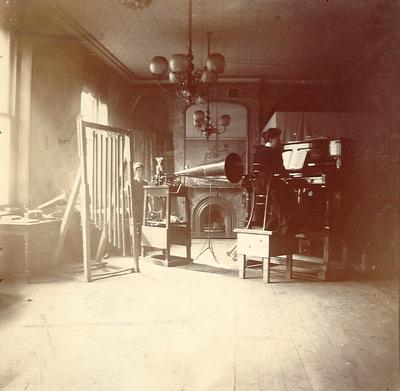
“Yes, grimy was the word for it. The smoking room of the Old Coburn Hotel was our improvised studio. There stood the recording machine on a high stand; from this projected a long, thin trumpet into which the artist sang. Close by on a high movable platform, was an upright piano.”
-Gaisberg’s description of the studio
Although it was grimy it was very well placed near the theatres, concert and dance halls of London’s west end, which made finding artists to record easier for the young American.
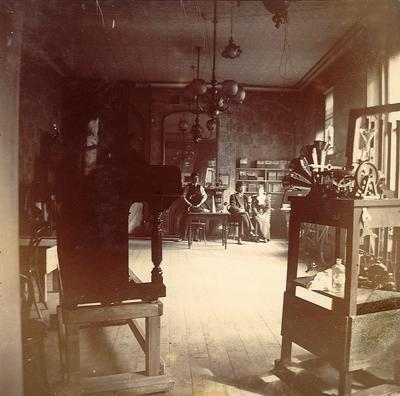
By the end of the first week of August all the necessary materials were purchased, the studio was set up and began recording. The records were made in Hanover at Berliner’s bothers factory. The earliest discs issued are dated
“8-8-98”
One of the first recording artists was Syria Lamonte, an Australian singer working at Rules Restaurant in Maiden Lane.
 Sound Of The Hound