This has just been uploaded onto youtube by Dantanasgirl (whoever she is…and we’d love to make contact with er).
Its quite brilliant. Take a 35 minute break, make a cup of tea. Treat yourself to a biscuit and watch this film that Capitol Records made in 1951 to show their executives how a record company worked in those halcyon days for the industry, just as sales were about to explode for the next 50 years….Great days. And Dean Martin and Les Paul in the Studios to boot!
They hooked up with Thomas Birnbaum, the Manager in charge of the German office of The Gramophone Company and made their first recordings in Leipzig. On Tuesday 30th May 1899, they boarded a train at Leipzig station arriving in Budapest where they began recording on the following Saturday.
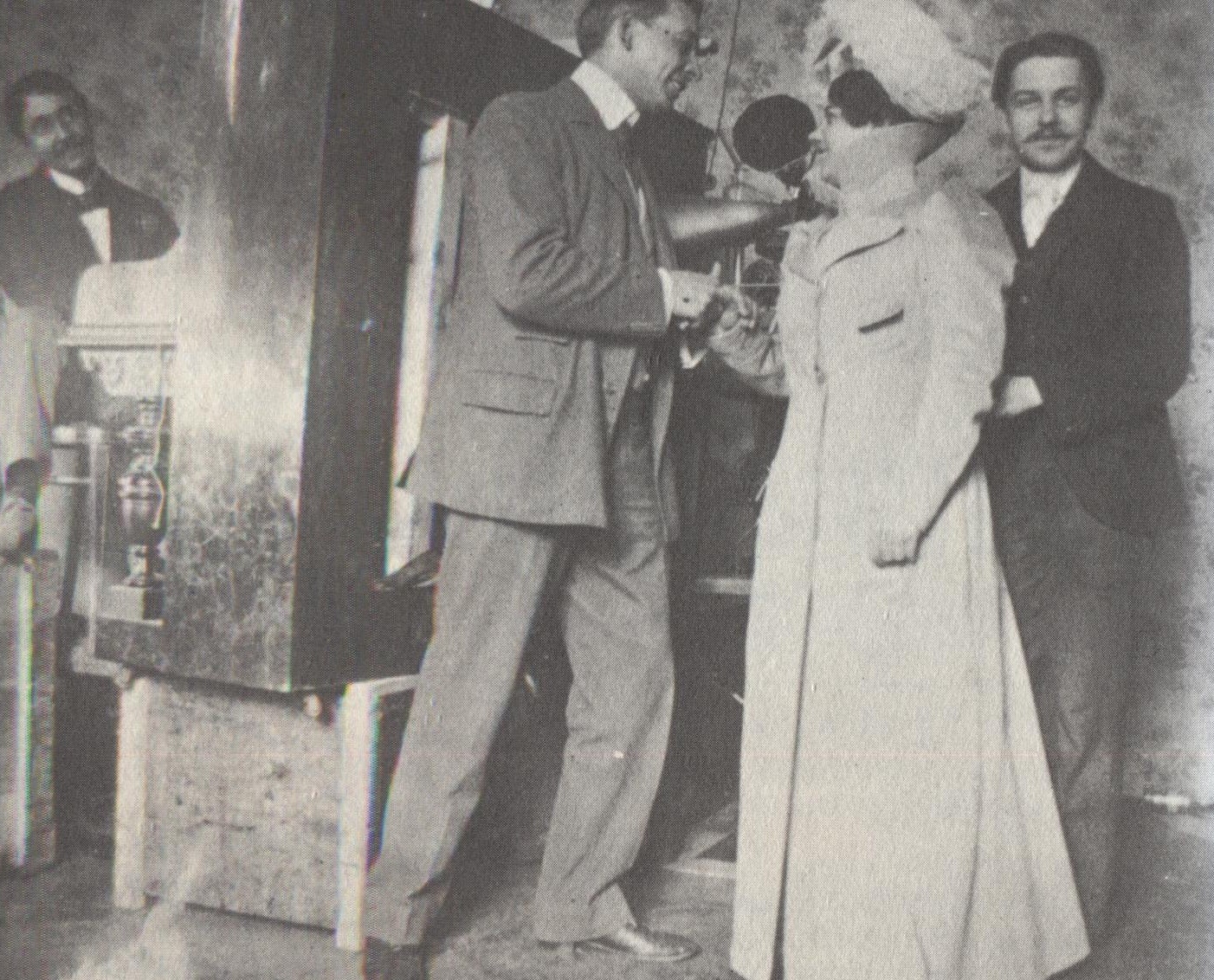
This picture shows Fred (left on the pianothat is raised up to the level of the recording horn), Sinkler Darby (on the right) and Thomas Birnbaum horsing around with Marcella Lindh, a talented soprano who was based in Budapest at the time. Marcella was not Hungarian; she was American born and had performed with the John Sousa Band. This is probably where Fred knew Marcella from as he had worked with Sousa on several occasions. Lindh was a successful singer in the States, having sung at the Metropolitan Opera in New York and various social events in New York area before heading to the continent and ultimately Budapest with her Hungarian husband becoming Marcella Lindh Jellinek in the process. After her husband died, Marcella returned to America, settling in Detroit where she lived until 30 July 1966.
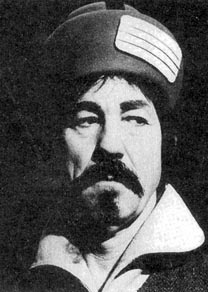
Gaisberg recorded over 200 sessions in Budapest. There do not seem to have been any recordings of Marcella Lindh on this trip which suggests that her visit to the studio was a social one. Many of the sessions were of gypsy style music, including some of this guy, Török Istvan:
As a whole, however, the Budapest stopover did not lead to any landmark recordings. On 15th June the recording team boarded the 8am train to Vienna.
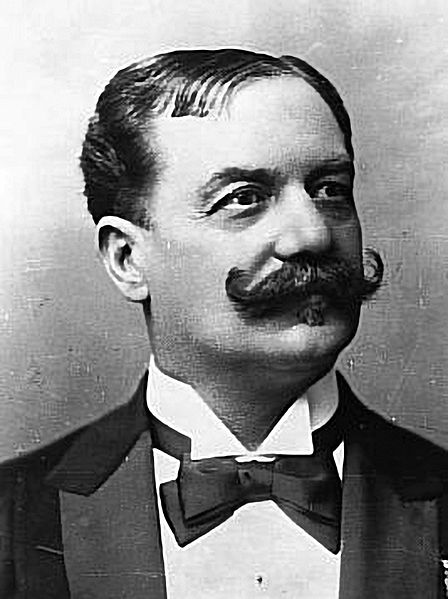
Vienna proved to be a more successful recording venue. Gaisberg recorded a variety of musicians including yodlers and folk musicians as well as the Viennese dance orchestra of Carl Ziehrer. Ziehrer was incredibly popular in waltz-crazy Vienna at the time having returned from touring Europe and America. “Younger audiences liked his brash, highly rhythmic take on the waltz and by the end of the decade he had overtaken his old adversary, [Edward Strauss,] in popularity.”
Carl Ziehrer
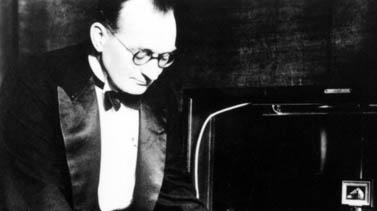
The biggest success of Vienna was the recordings that Gaisberg and Sinkler Darby made of the piano virtuoso Alfred Grunfeld. Grunfeld was one of the great pianists of the era and perhaps the most prominent artist yet recorded at that point in time. Grunfeld played a stand up piano as featured in the photo of Marcella Lindh, above, rather than the grand piano he had been used to. . You can learn more about Grunfeld here, and listen to one of Gaisberg’s recordings of him:
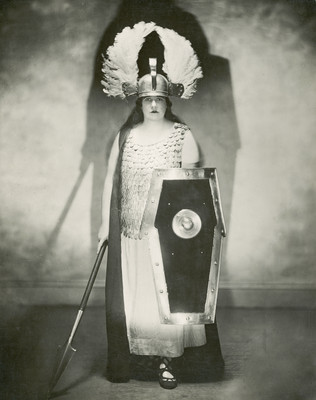
This is the third in a series of publicity shots from the early years of the recording business that our friends at the EMI Archive Trust have made available to us. This photo is of Florence Austral who was an Australian soprano who lived between 1892 and 1968. She changed from her original name of Florence Mary Wilson to Florence Austral to reflect her nationality and probably took the lead of Helen Porter Mitchell who became the biggest singing star in the world at the turn of the twentieth century as Nellie Melba named after her home Australian city of Melbourne.
She is clearly an enthusiastic participant in the promo process, as you can see…
We award her 4/5 for her PR efforts. A wonderful picture from around 1925.
Melba was a fan of her younger compatriot, calling Florence’s voice “one of the wonder voices of the world”. Fred Gaisberg signed her to the HMV label where she made over a hundred recordings in the 1920’s and described her thus “In the early twenties Florence Austral was the most important recording artist we had, thanks to the beauty, power and compass of her voice” Here is an example of her singing.
Sadly Florence’s career was to end badly. She suffered terribly from multiple sclerosis and was forced to retire from singing in 1940 and return to Australia six years later when almost completely paralysed by the illness. Upon returning home, Florence lost many of her possessions in a fire. Royalty earnings from her recordings had declined, too, by this point and, finding herself in need of an income, she taught singing at the Newcastle Conservatorium (now part of the University of Newcastle, New South Wales, Australia) from 1954 until her retirement in 1959.
If you have been affected by any of the content included in this post please don’t hesitate to get in touch with The EMI Archive Trust who will be happy to talk to you about this picture and the rest of their wonderful collection.
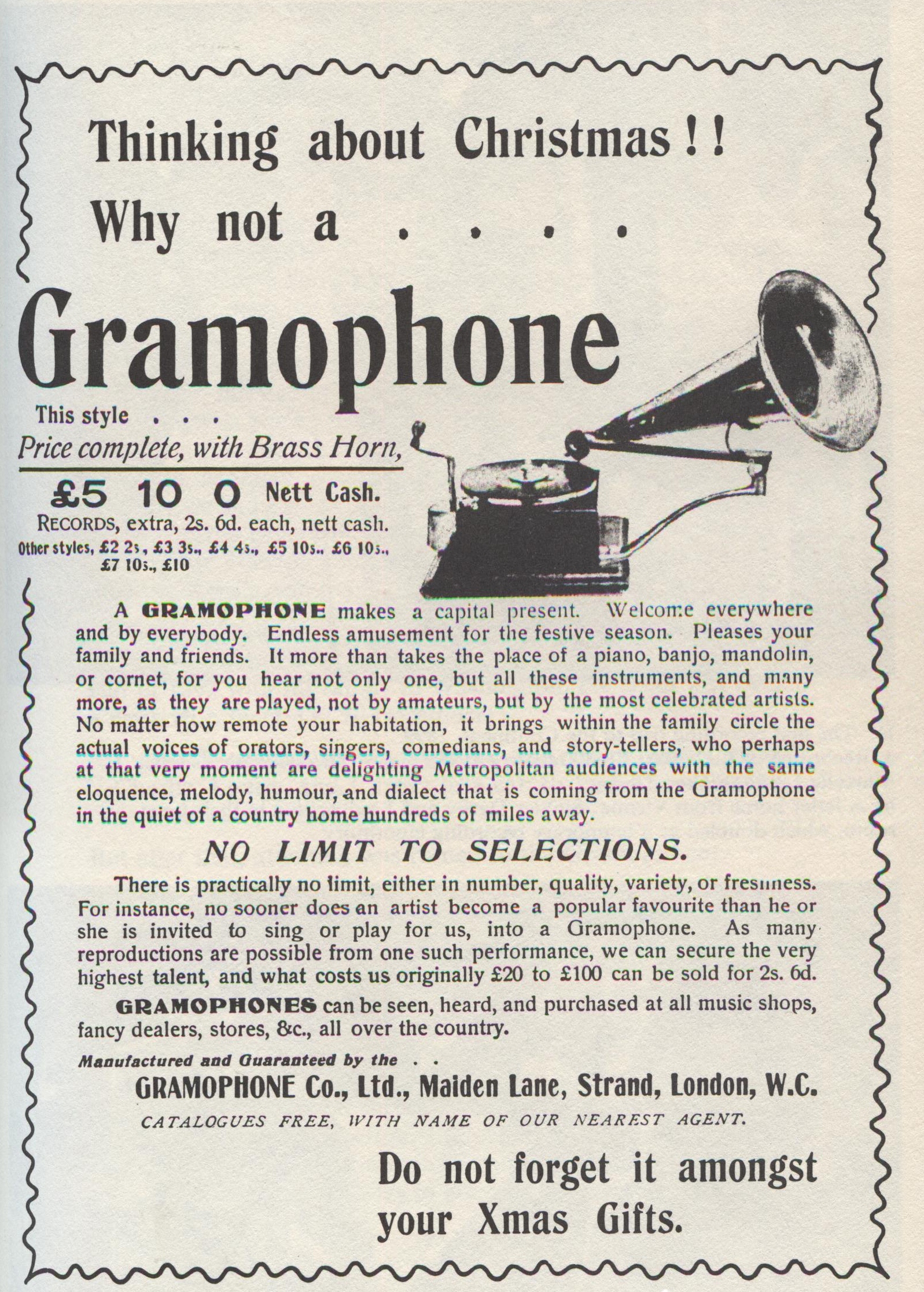
By Christmas 1899 many of the supply chain problems had been fixed and gramophones and discs were pouring into the market. Even the company’s advertising looks established. Here is an advert from that busy season:
Whilst the English company was dependent upon its discs coming from Germany it had also agreed to source its gramophones from the American manufacturing plant run by Eldridge Johnson. The American company would send over gramophone parts and the UK company would assemble the gramophones in the Maiden Lane offices before despatching to their 600 retailers.
The huge demand for gramophones stretched this supply chain to the limit during the first year of trading in 1898 particularly as the busy Christmas season approached.
Fred Gaisberg recalled: “We looked upon that first Christmas as our last opportunity to turn a debit balance into credit but our stock of machines was cleared out early in December. Shipments of parts from America were held up, and the dealers were “sitting on our doorsteps” demanding goods. When eventually the cases did arrive, a few days before Christmas, everybody from the manager down to the office boy worked into the early hours assembling the parts. With faces and hands smeared with black lead from the spring-cages, we must have been a comical sight.
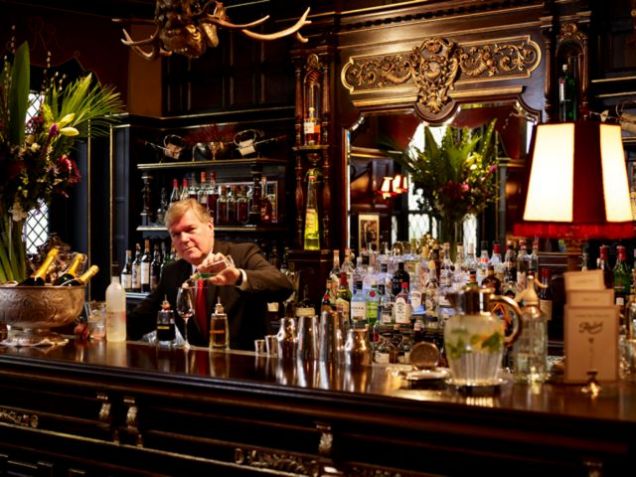
Nevertheless, early on Christmas Eve our stock rooms in Maiden Lane were cleared of machines and records, so we “trooped” into Rule’s to celebrate our achievement with drinks all round.”
You can almost hear the excitement of working in a start up business…Fabulous stuff.
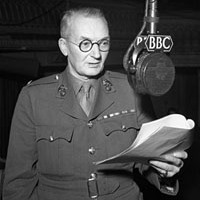
It’s a far cry from the histrionics of Chris Evans, the authority of Brian Matthew or the intensity of Whispering Bob Harris, but on July 7, 1924, Britain’s first disc-jockey began broadcasting…..in a dinner jacket.
As Wikipedia describes…
Christopher Stone was educated at Eton College and served in the Royal Fusiliers. He became the London editor of The Gramophone, a magazine started by his brother-in-law Compton Mackenzie.
Stone approached the BBC himself with the idea for a record programme, which the corporation initially dismissed. Stone managed to convince them though and on July 7, 1927 he started playing records on air. His relaxed, conversational style was exceptional at a time when most of the BBC’s presentation was extremely formal, and his programmes became highly popular as a result. He wore a dinner jacket and tie when he presented.
In 1934 Stone joined the commercial station Radio Luxembourg (for 5,000 pounds a year) and was barred by the BBC in consequence. Three years later, as “Uncle Chris”, he presented the first daily children’s programme on commercial radio, Kiddies Quarter Hour on Radio Lyons. Stone later rejoined the BBC and caused a major row in 1941.
On November 11 he wished King Victor Emmanuel of Italy a happy birthday on air, adding “I don’t think any of us wish him anything but good, poor soul.” This good wish towards the head of a state Britain was at war with at the time led to the sacking of the BBC’s Senior Controller of Programmes and tighter government control over all broadcasts.
Stone was an avid record collector; in the mid 1930s he already owned over 12,000. When he turned 75 in 1957 the magazine Melody Maker praised his pioneering work: “Everyone who has written, produced or compered a gramophone programme should salute the founder of his trade.”
Christopher Stone, The Sound of the Hound salutes you! Three Woofs!
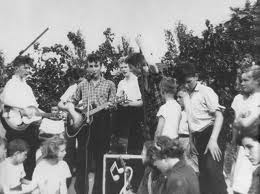
There are dates in pop history that we most likely all remember, Elvis’ death, Live Aid, Woodstock, but what about July 6, 1957? The late fifties – Cliff Richard was yet to emerge, Elvis was King, Bill Haley was still having hit records and Teddy Boys greased back their hair in the embryonic coffee bars. In Church Road, Woolton, a suburb of Liverpool, it’s the day of the St. Peters Church Garden Fete. Starting time 3.00pm, all proceeds in aid of church funds. The Fete is preceded by a parade down Church Road – scout and guides, Morris Dancers, the Rose Queen Sally Wright and on the last lorry, a bunch of six young skifflers, The Quarrymen – guitarist Eric Griffiths, banjo player Rod Davis, tea chest bassist Len Garry, washboard man Pete Shotton, Colin Hanton on drums, and singer-guitarist John Lennon. Arriving at St Peter’s Church field, the lads from their lorry play covers of Lonnie Donegan, and Gene Vincent and traditional skiffle numbers like ‘Maggie Mae’. Looking on is another young music hopeful, his guitar perennially round his neck, probably for no better reason that that is where it lives. He watches The Quarrymen. That evening, the boys repeat and extend their performance in the Church Hall. The spectator is there too, and eventually John Winston Lennon and James Paul McCartney have their first conversation.
It is a date we should all remember as the moment that changed pop music forever.
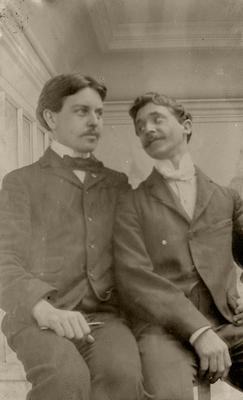
The Gramophone Company decided to step up their recording programme in 1899 by sending Fred Gaisberg to the continent to record local artists in several countries. He was to take the recently arrived William Sinkler Darby with him as his assistant. It was to be the first of many great adventures that the two would share in pursuit of “capturing the sounds out of the air.” Here is a picture of the pair of them messing about. Fred is the one looking devotedly at his partner.
The “portable” recording equipment they took with them was anything but… It comprised six large packing cases which weighed up to 260lb’s each.
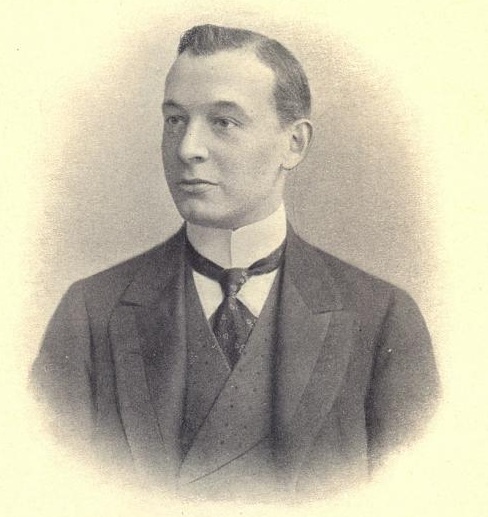
Birnbaum was in fact a Londoner, born in 1865 to Russian-German parents. He would go on to a significant career with The Gramophone Company in both Russia and Germany.
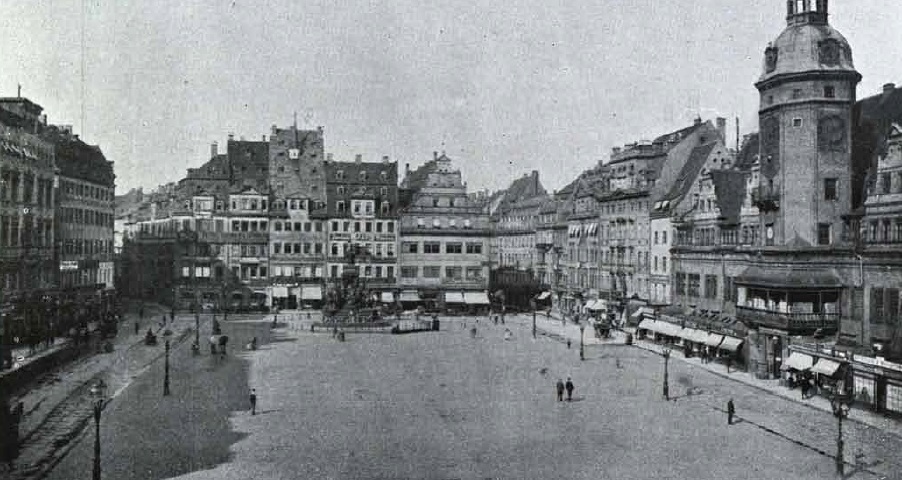
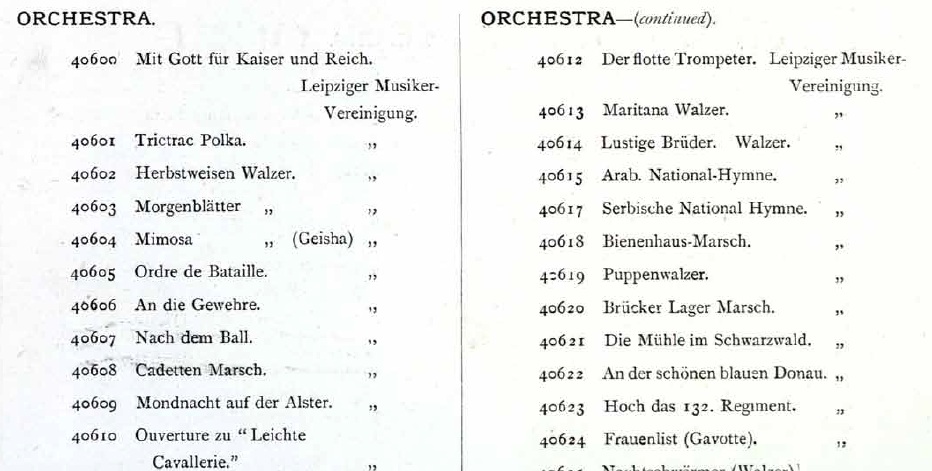
The three of them reached Leipzig in May 1899 and began sessions on May 17th. Their very first recordings sessions in their first “foreign” city would reap 213 7″ recordings. Recorded artists included the Leipziger Musiker Vereiningung
We were sent a link to a contemporary Scottish group called Found who worked with a local baker to create a record made of chocolate. It was for their single Anti-climb Paint and you can watch a video of their experiment here. It seemed like a novel idea.
But they were not the first…..this guy in the Germany did it back in the 1980’s and apparently applied for a patent to own the chocolate disc.
I think his disc sound better and looks even better to eat than the more recent Scottish effort but I suspect his patent was unsuccessful because even he was nowhere near the first to have this idea.
Our friends at the EMI Archive Trust have come up with an even earlier example dating back to the very beginning of the twentieth century.
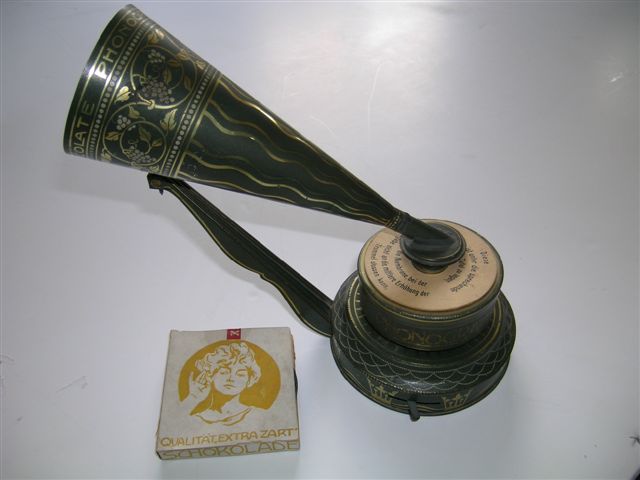
The EMI Archive Trust has examples of the packaging and gramophones made to play chocolate records. These were manufactured by Stollwerck, a German confectionary firm, which produced small disc machines from 1902. These were simple machines, derived from the American toy Graphophone. The records themselves were vertically cut, and some were made of chocolate with a tin-foil covering. Two models of machines were made; one tin-plate circular affair finished in green and gold, and one rectangular wooden one.
As ever, please contact the EMI Archive Trust if you would like learn more about their collection.
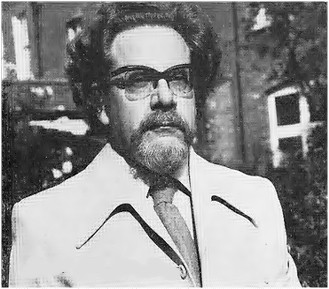
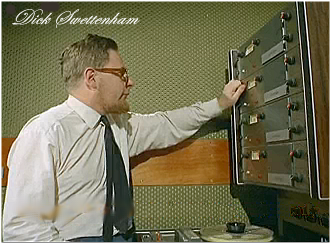
This is Dick Swettenham and, unlikely as it perhaps appears, he contributed to the sound of many of the greatest rock and pop recordings ever made.
He also helped invent the recording equipment industry. Until the late 1960’s studios largely made their own core equipment; it was only in that decade that the number of studios in the market reached sufficient numbers to warrant manufacturers entering the market to supply desks etc. to the market in general.
As Dick himself wrote on the Helios website: “Up until the 1960s the studios of major record companies and broadcasters designed and built their own sound mixing consoles in-house, with full-time staff in design labs and workshops. Only a few companies such as Marconi in the UK, RCA in America, Philips and Telefunken in Europe offered standard product, mostly very conservative in design and aimed mainly at radio stations. Development work at Olympic Sound Studios in London – where I was technical director, having come from Abbey Road – advanced on the same do-it-yourself lines as other big studios, with its own workshop, catering for the increasingly sophisticated requirements of popular music recording and effects processing.”
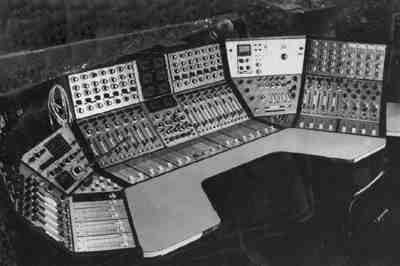
Dick built desks that worked in Olympic Studios during it’s glory years from the mid-1960’s to the late-1970’s and recorded some of the high water marks of the rock genre including key records by The Rolling Stones, The Who and The Eagles. Here is one of the desks from 1965.
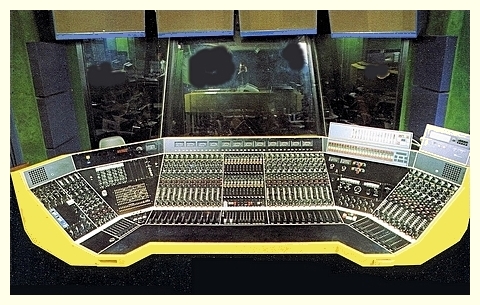
He then set up a company to manufacture desks and sell to other recording studios. He called the company and the desks “Helios” (the ancient Greek god of the sun). Helios were sold around the world and particularly to Chris Blackwell’s Island company (one pictured below) for whom Dick also worked. He also made a Helios desk for The Beatles short-lived Apple studios. One of the beatiful Island desks is here:
You can see Dick Swettenham in action in Olympic Studios in 1966. He is working the tape machine at 4 minutes 53 seconds. (the section of the film featuring the then recently opened Olympic Studios begins at 4:48)

 Sound Of The Hound