As part of their Omnibus series, The BBC made a documentary about the history of recording in the late 1980’s which was called Memoirs of a Musical Dog. It aired on Friday May 27, 1988. It’s very good and thanks to the power of youtube, you can see it here:
Part One Early years of Edison and Berliner and Johnson including the origin of Nipper and His Masters Voice:
Part Two Fred Gaisberg recording Caruso recalled by his later assistant David Bicknell and Len Petts demonstrating a recording horn:
Part Three Electrical recording, Abbey Road, Menuhin remembering Elgar:
Part Four Gramophone accessories, Gracie Fields at the Hayes record factory, 1930’s picture discs, making 78 discs, recording messages home from the war:
Part Five The LP record, the 45 single, jukeboxes, The Beatles:
You would never guess this logo was designed in the 1980's
I think we have to mark this particular anniversary.
We found this video on youtube described by the following text:
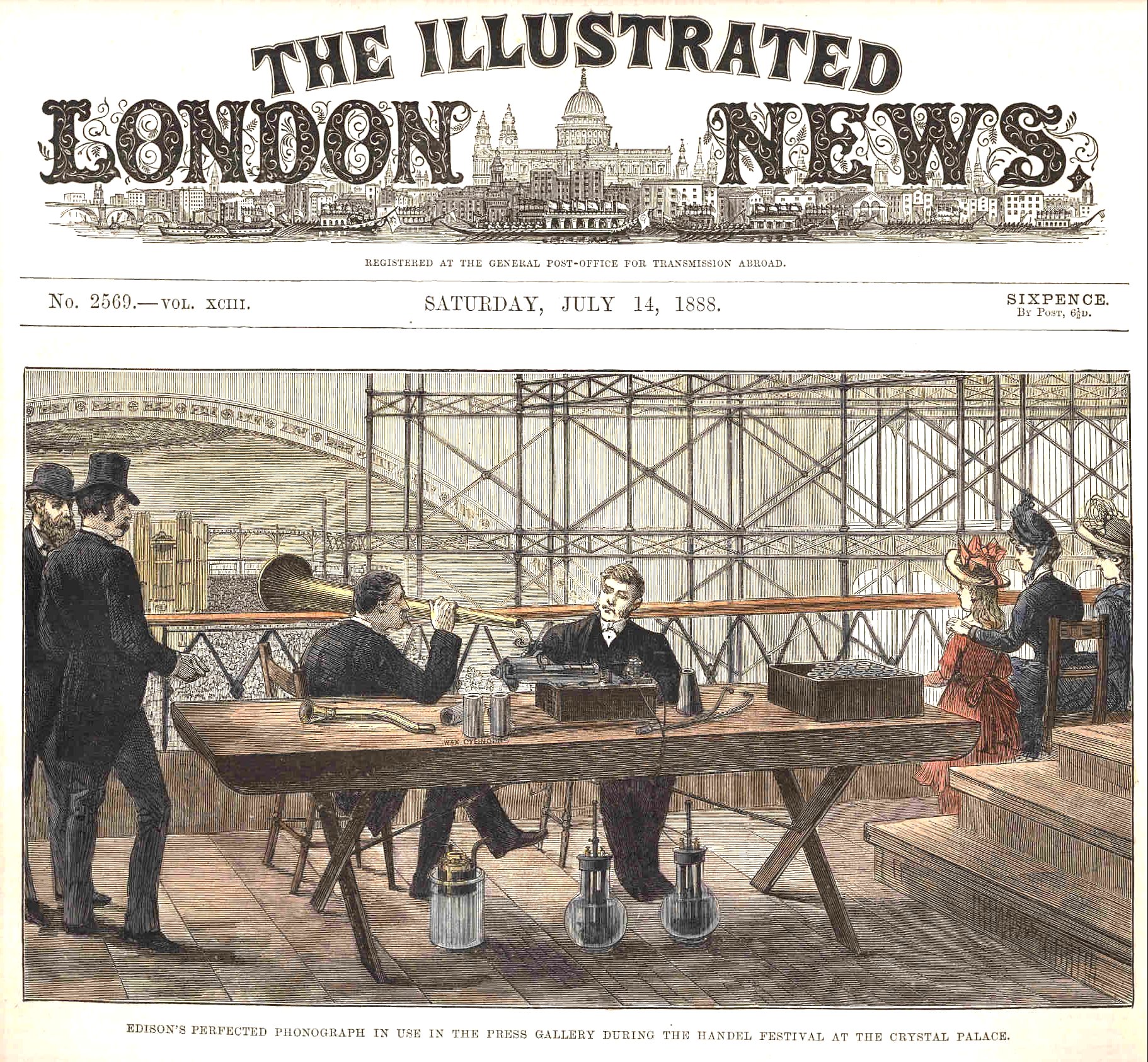
“On Friday 29th June 1888, from 2pm, a performance of Handel’s oratorio Israel in Egypt was captured on a number of wax cylinder recordings. This performance was part of the trienniel Handel Festivals mounted in the UK. They were recorded from the press gallery in Crystal Palace by Edison-representative Colonel Gouraud, as a way to test and show off Edison’s phonograph. Three of these cylinders still survive.
How the local paper featured the historic recording
The conductor was Sir August Manns, conducting an orchestra of some 500 musicians and a choir of over 4,000 voices, in front of an audience of 23,722 people.
These are the earliest deliberate recordings of music known to exist (earlier recordings from the 1870s are considered lost). Fortunately these can be played back at a quite definite pitch, as we know the pitch of the Crystal Palace organ at this time.
Unfortunately, the recordings are in very poor shape, audibly speaking. You are going to have a very hard time grappling with the sound, and trying to make out anything. Each cylinder contains a number of tracks.”
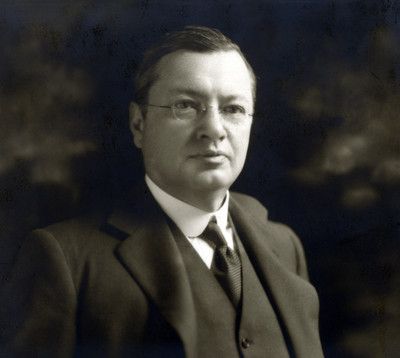
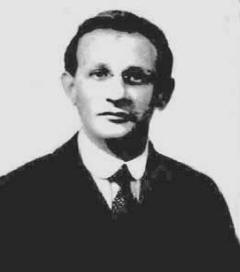
Clark, pictured above, proved to be a canny businessman. He contacted Trevor Williams, the Chairman of the Gramophone Company and persuaded him to pool resources rather than go head to head against each other.. The Gramophone Company would lead the recording programme. Clark would contribute towards the costs of the recording programme and in return would be able to use the recordings on the cylinders that he would sell for playing on Edison’s phonographs. The Gramophone company would be able to sell the same recordings on their own format. This co-operation seems extraordinary today but Clark was able to secure the deal and it had the consequence of putting more pressure on Fred Gaisberg to deliver more high quality recordings.
To this end, the Managing Director of the Gramophone Company, William Barry Owen, decided to step up the recording programme and send Gaisberg on what must be one of the first field recording trips – to the continent with special portable recording kit.
Fred had moved to London to help grow The Gramophone Company in 1898, leaving Clark behind in Washington. The opportunity of working with Edison gave Clark a chance to follow Gaisberg across the Atlantic but rather than move to London, Alfred Clark took up residence in Paris at the very end of that city’s “naughty nineties”. It must have been a great posting.
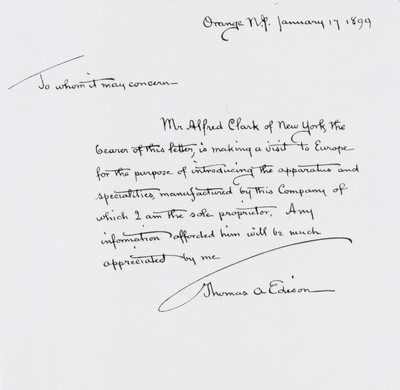
As you can see from this handwritten letter by Thomas Edison, Clark was Edison’s representative in the city and his role was to market the Edison cylinders and phonographs. He was also instructed to begin a programme of recordings to rival that being made by Fred Gaisberg. This would put Gaisberg and Clark head to head as they pursued new recordings for their rival companies.
The handwritten letter was kindly shared with us by the EMI Archive Trust. If you’d like to know more about the Trust and the artefacts that they look after, why not get in touch with them, here.
Britain had developed a strong Reggae culture of its own by the mid-1970’s. Reggae, and its predecessors like Ska, naturally seeped into the UK via the communities of immigrants who had come to the country from Jamaica since the late 1940’s. Britain’s pop tendencies have often been to take music from the west (usually America) and re-imagine it and sell it to the world. Reggae was similarly absorbed and reinvented and this process was often led by the children of the original Jamaican immigrants.
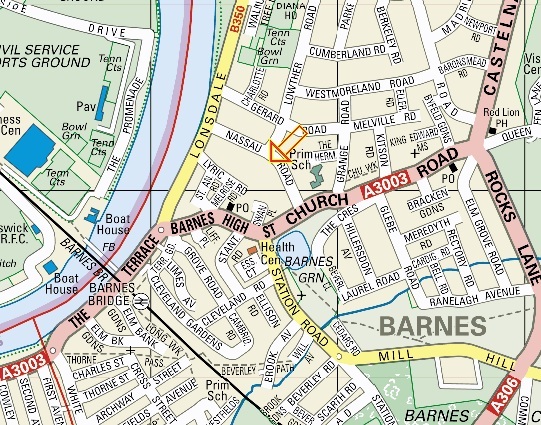
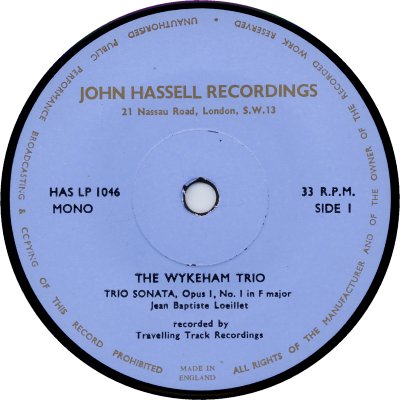
One story that leapt out from the documentary (at about 46 minutes in) is of strange goings on in the leafy London suburb of Barnes. The John Hassell Recordings studio was based in a residential house in a quiet street – Nasser Roaud – in the area. It’s output was to feed British Reggae Sound Systems throughout the country.
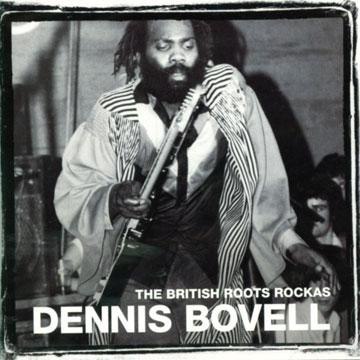
In 1977 Dennis Bovell who was a leading figure in UK Reggae came into his life.
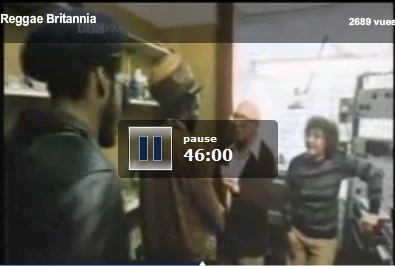
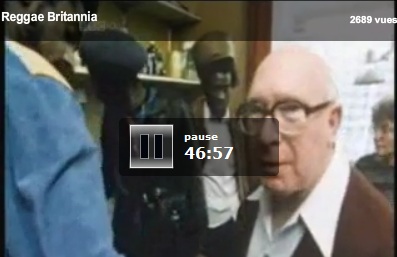
Bovell explains in the documentary: “Whilst thumbing through the yellow pages one time looking for a place to cut an acetate I found Hassell Recordings. Phoned up. Gone over there, (found) an elderly gentleman who was famed for smoking a big fat cigar: John Hassell. And we’d go into his house, his living room and he’s got this wonderful German disc cutting lathe set up in his front room. And his wife Felicity offered us a cup of tea, a cup of coffee and then we’d put on these tapes, this like reggae.” This picture is a screen grab and shows John and Felicity meeting clients (please excuse the poor quality, photos of the Hassells are elusive):
Bovell continued: “Imagine stumbling on that through the yellow pages like. And then we were telling other people listen that we’d found the guy that knows how to cut reggae. You can have a fantastic sounding thing on the tape and then it all falls to pieces at the cutting end of things. And someone who was sympathetic to the frequencies would know how to capture that sound from the tape and onto the disc and John was the master of that”
John Hassell just liked the sound of the music particularly the heavy dub sound: “It’s an esoteric world, it’s a world of subtlety and refinements.”
Graeme “Mr Goody” Goodall who, despite being a white Australian, was one of the early legends of Jamaican recording engineering. He also remembered using John to master records (in this forum entry on www.stevehoffman.tv): “Doctor Bird used John Hassell recording in Barnes, a suburb of London. I think that many of my competitors used Derek Strickland at Pye. It was difficult to get the UK mastering engineers to understand why we wanted a certain eq in the process. If you get the chance to compare a JA pressing , a UK pressing and an US pressing of the same “tune” on 45’s, you will notice the difference. I figured that the only way that I could cope with this was to escort John Hassell (who was, to all intents & purposes, blind, due to an incredible incident that he survived during W.W. ll) to NYC & Jamaica. His incredible Golden Ears quickly picked up on the differences.”
We’d love to know more about the life and work of John Hassell. He looked like this…
The Marconiphone was a brand of radios that were originally developed by the Marconi Company in the UK from 1923. The brand was sold to the Gramophone Company in 1929 as that company diversified into wireless technology. The Gramophone Company became EMI in 1931 and continued to make Marconiphone Radios until 1956.
This blog entry is an excuse to highlight some of the beautiful marketing images of the Marconiphone brand. They have been shared with us by the EMI Archive Trust, who have many more similar images in their vaults. If you are interested in learning more about Marconiphone and seeing more images you can organise a visit to the Archives by contacting them here.
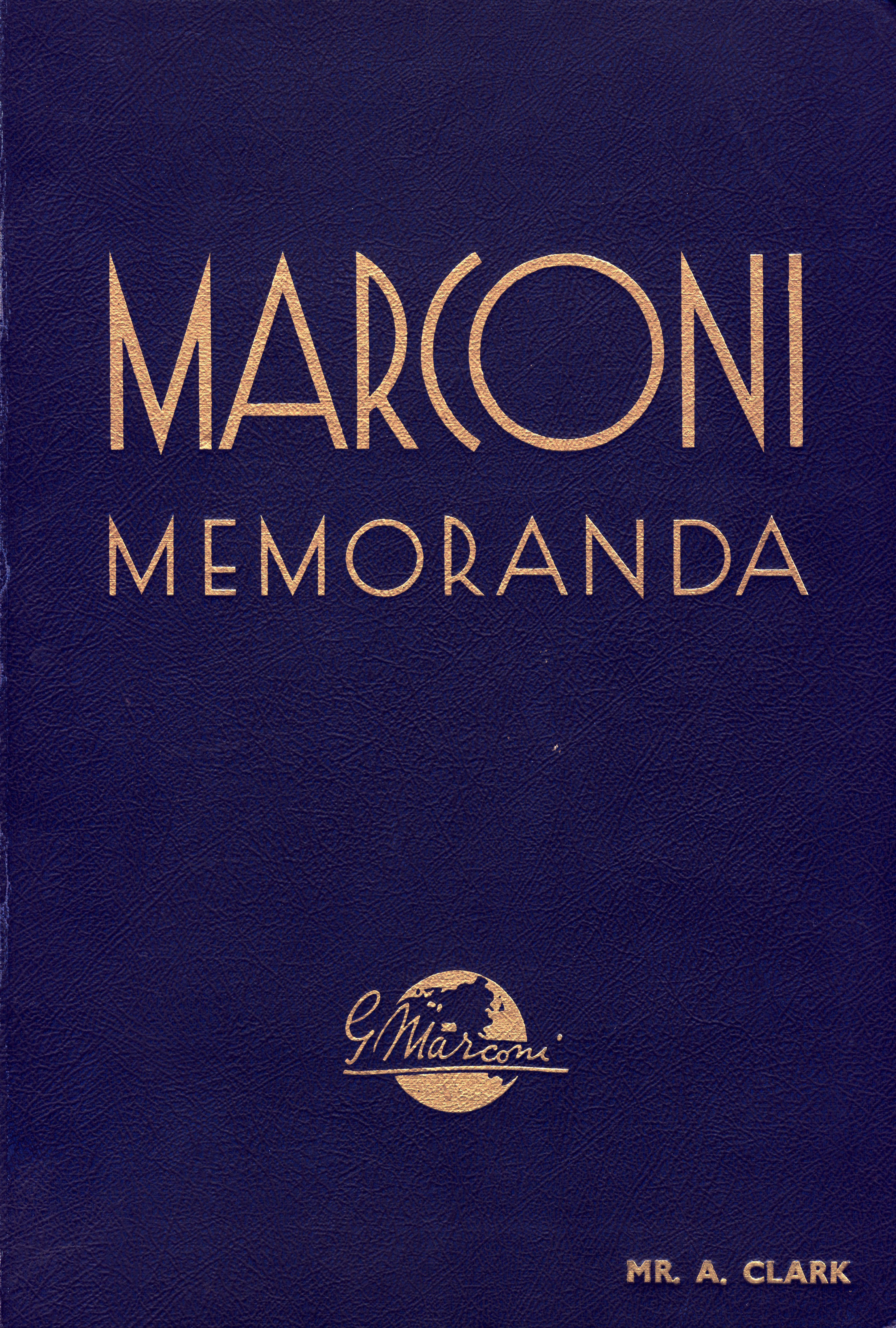
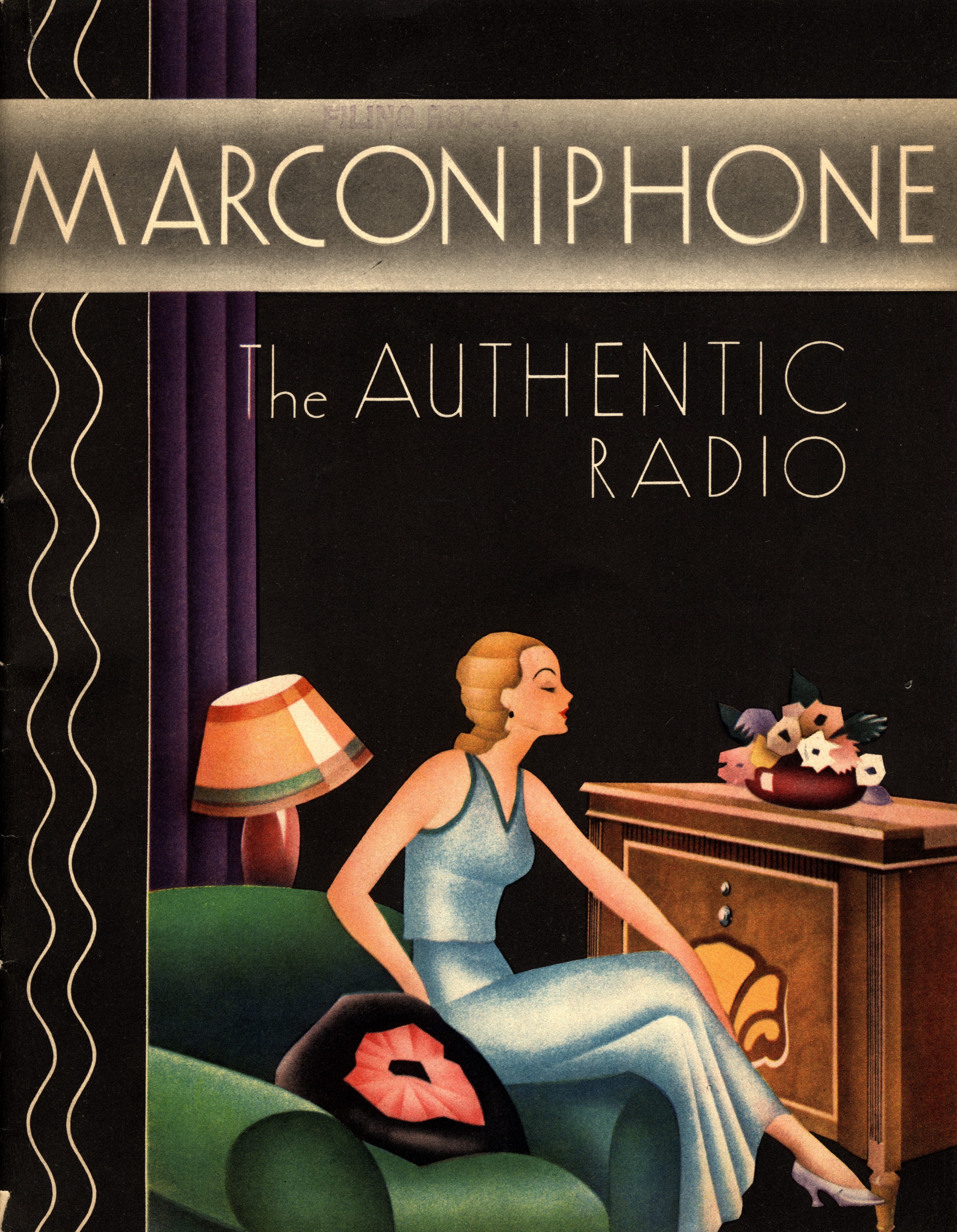
The first two images come from the Memoranda of Sale of the Marconiphone brand in 1929. Heavily influenced by Art Deco, the brochure is Alfred Clark (the Managing Director of the Gramophone Company)’s personal copy. You can see his name in the bottom right hand corner.
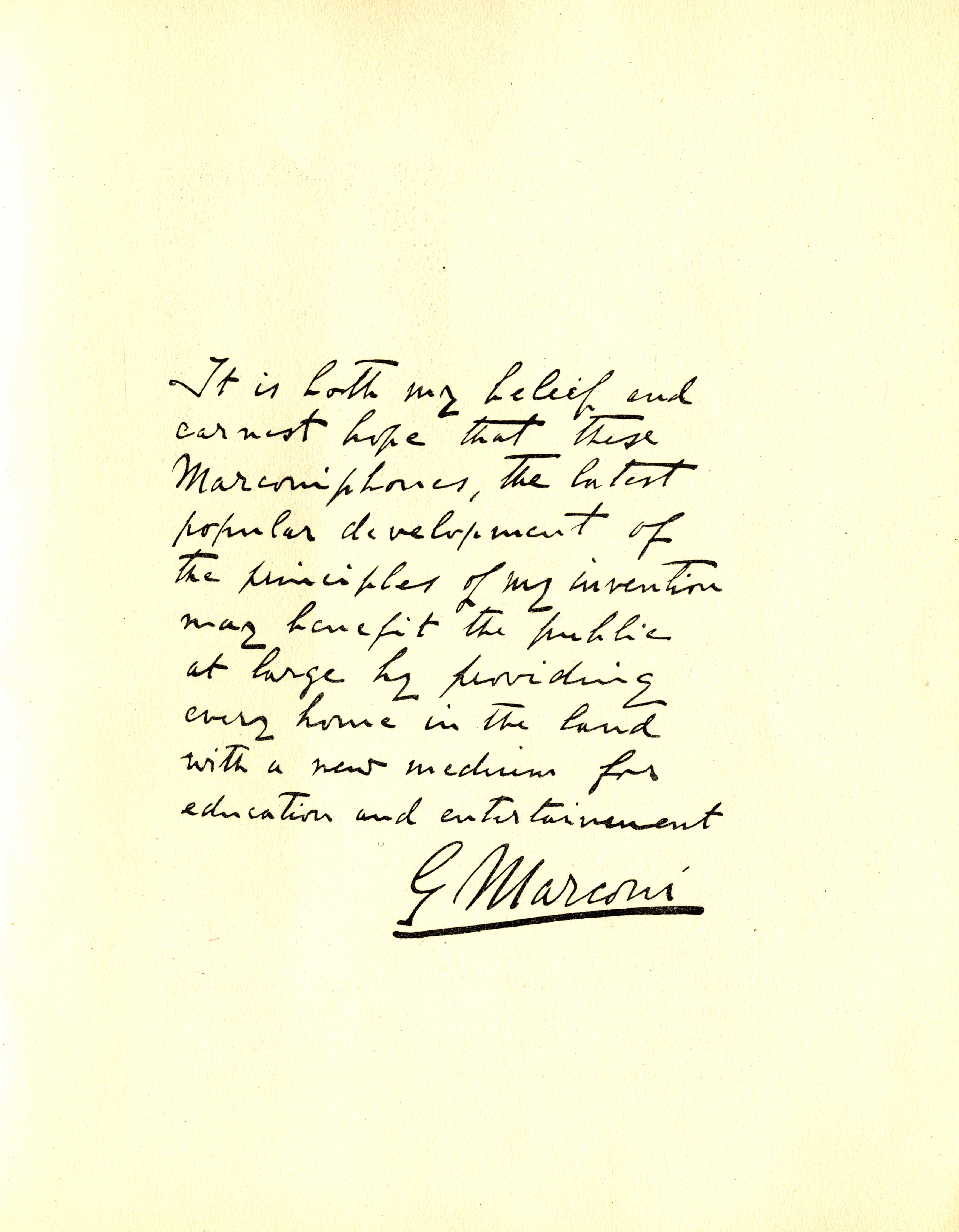
It contains a personal message from Marconi himself:
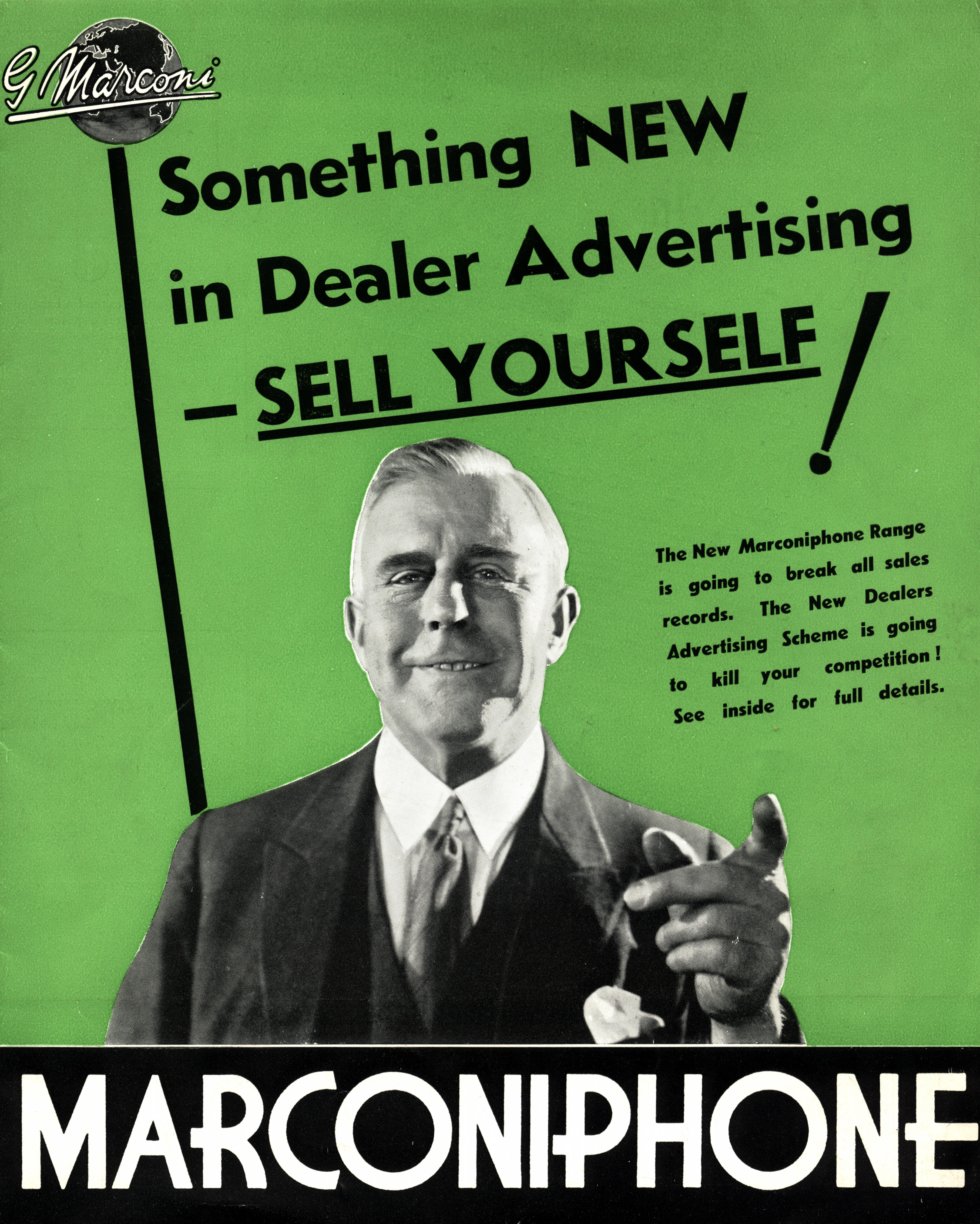
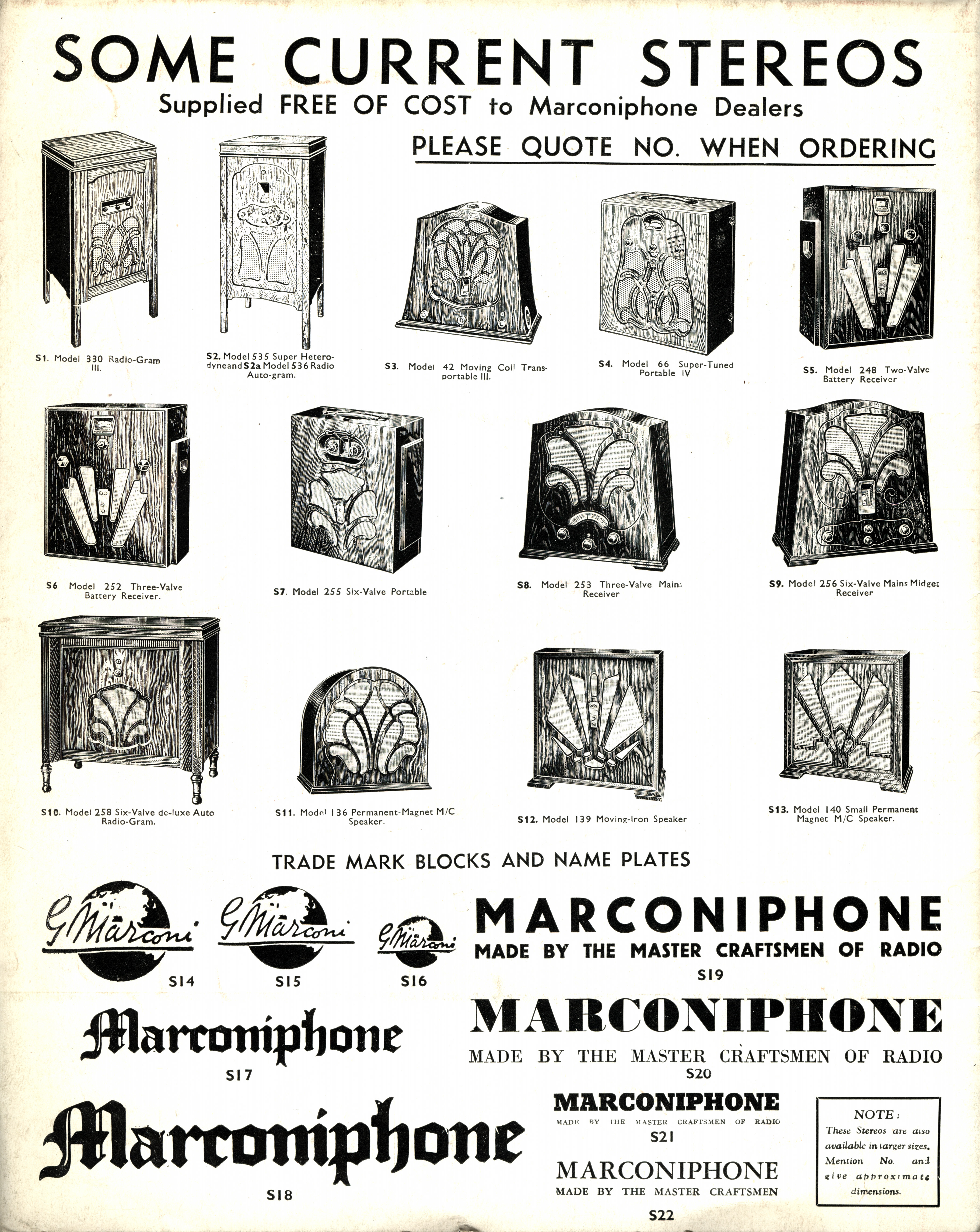
This is a trade advertisement ecouraging dealers to stock Marconiphones from around 1930:
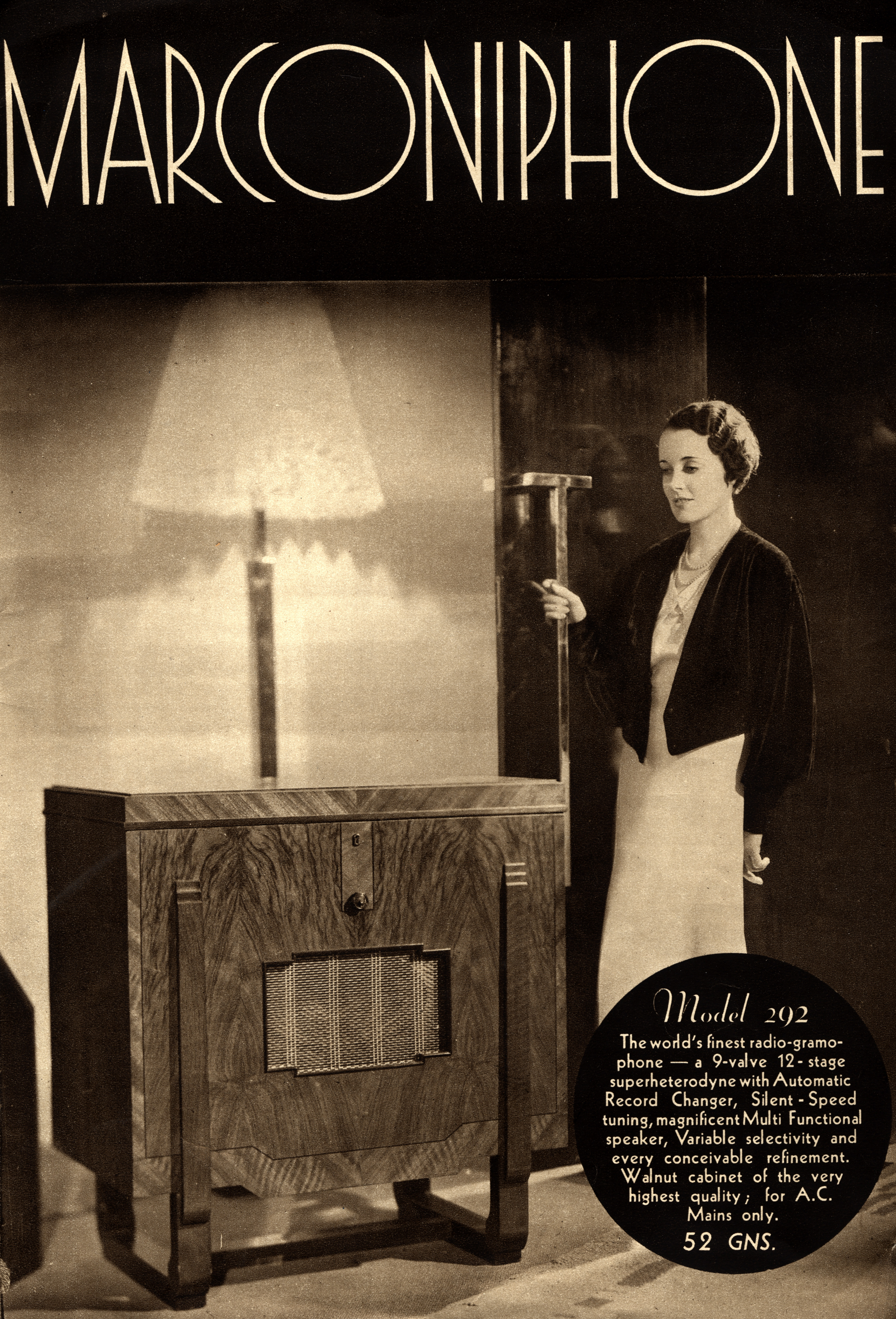
This wonderful consumer advert places the Marconiphone as a premium luxury item as is clear by the sophistication of the image and the 52 guineas price tag (about £3,000 at today’s prices):
Another consumer advert frome the early 1930’s which again has an art deco feel:
Berliner’s European operations were therefore split in two. DG was to manufacture the discs in Hanover. The Gramophone Company (of England)‘s role was to find the artists, make the recordings and sell the resultant discs.
Whilst Fred Gaisberg set up the Maiden Lane recording studio in Covent Garden, London, his old friend from America, Joe Sanders, was establishing the disc factory in Hanover. Fred’s task was perhaps the simpler of the two and he quickly set up the studio and created a backlog of recordings that needed pressing as discs. Sanders struggled to provide a manufacturing solution as quickly. He was dependent upon the pressing machines being first made and then delivered from America. They proved slow in arriving.
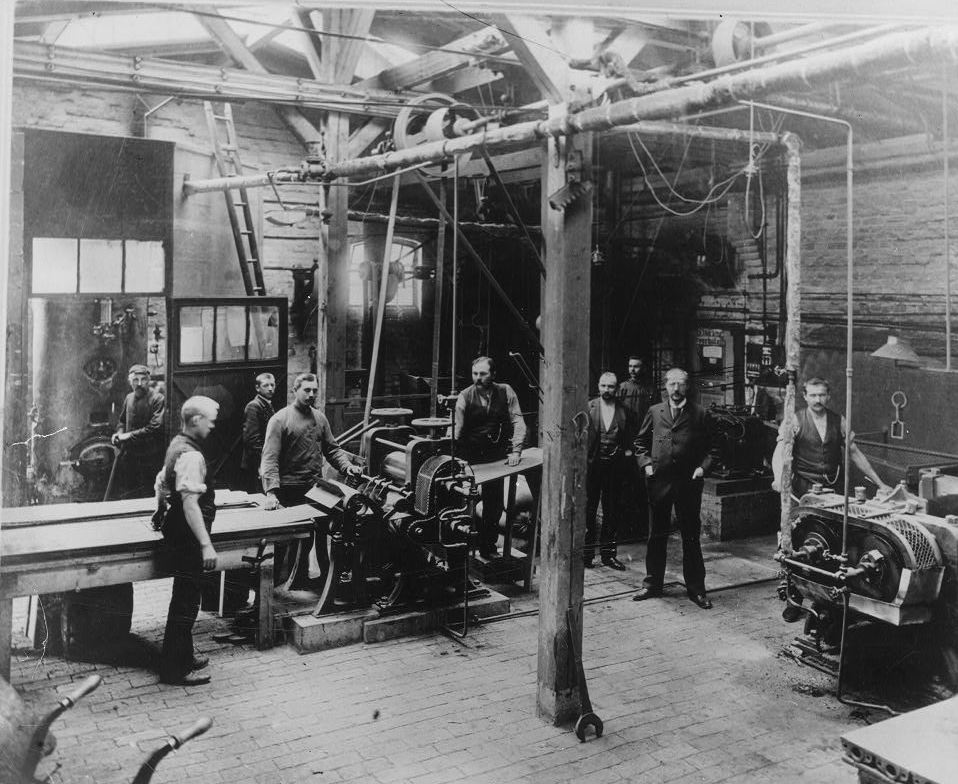
Joe Sanders received his manufacturing presses in the autumn of 1898 but the factory that was being built in Hanover to house them was not ready. To meet the demand for discs in the run up to Christmas of that year he erected a huge tent next door to where the manufacturing plant was being built and produced the entire European supply of discs from under a big top. Even with such constraints he was able to deliver discs within a month of the recordings being sent from London which is a quite remarkable achievement. The proper factory was completed in 1899 and you can see the presses in action within it, here:
Under their deal with Berliner, Williams and Owen agreed that gramophones were to be manufactured in the US and then shipped to The Gramophone Company for European distribution. Their first order was for 3,000 machines, which they would sell for £10 (equivalent of circa £910 buying power today).
The Gramophone Company’s first stock of records also came from the States. The initial order was for 150,000 American manufactured discs. Berliner and the European management decided that a European disc manufacturing facility would be needed quickly because the boat from USA was not only too expensive but too slow for the new enterprise.
Berliner decided to set up a separate company to manufacture the European discs. His brother Joseph offered to invest in the enterprise on the proviso that the pressing plant be located in Hanover, Germany, where he lived. Berliner, who was apparently wary of British Trades Unionism, agreed to the plan in 1898. The new company was called The German Gramophone Company – or, in German, Deutsche Grammophon. It would go on to become one of the greatest record companies of all time and remains today a separate label functioning within the Universal Music empire.
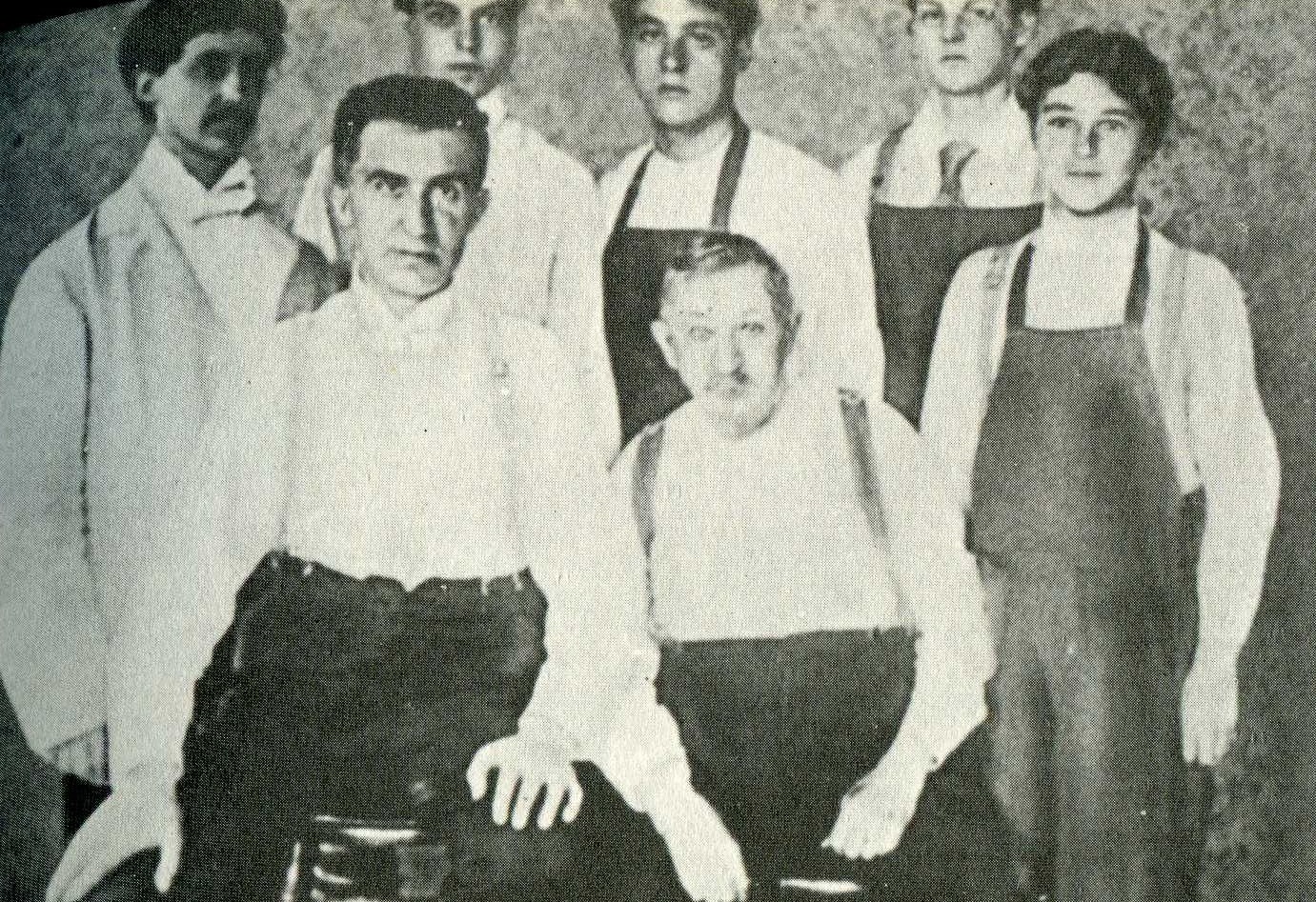
Berliner sent over one of his American team, his nephew Joe Sanders, to set up the plant. He’s standing second from the right in this picture of Berliner’s early US team. Berliner is seated front left.
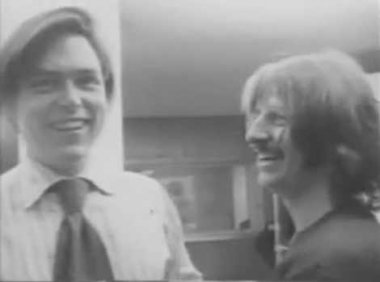
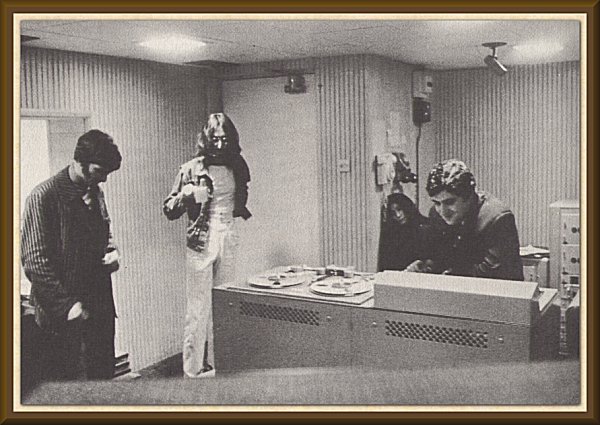
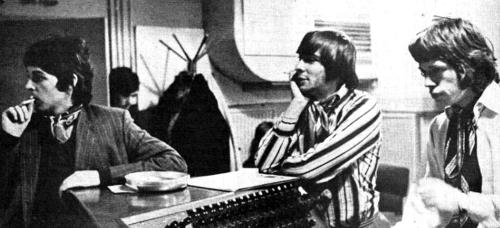
This photograph hangs on the wall of a significant financier. We can see it’s McCartney and Jagger in a recording studio. Three questions. Who is the guy with the neckerchief biting his nails? Which studio are they in? What year is it?
Over to you…..
Update – Is this the same guy (the one on the right)?
By 1904 Hunting had moved to London and had settled down a little. He was working for the newly formed Sterling Phonograph Company which was owned by Louis Sterling. A Russian-born American citizen now living in England, Sterling had been an early employee of The Gramophone Company before setting up on his own and would later go on to become the first Managing Director of the newly formed EMI in 1931, working with Fred Gaisberg’s old friend Alfred Clark (who became the first Chairman of EMI).
Hunting discovered a new Australian singer called Peter Dawson. Dawson was talented but poor and hungry for success, which meant that unlike the established singers of the day who were still loathe to record their voices Dawson “accepted all and sundry engagements – “smokers”, seaside concert parties, and phonograph recording” remembered Gaisberg later.
Peter Dawson
Dawson proved a remarkable and flexible talent who could sing beautifully in a range of styles. Gaisberg, Sterling and Hunting proved equally flexible and agreed a “secret understanding” to work together to their mutual benefit. In short they would record Dawson together and then Sterling would use the recordings for supplying phonograph owners with cylinders and Gaisberg would use the same recording for gramophone.
The flexibility of the singer and the three executives would be highlighted when one of Gaisberg’s star turns, Harry Lauder, proved reluctant to make the number of recordings desired by Gaisberg. Lauder was a big star at the time who specialised in Scottish balladry and presented himself as a comic Highlander.
His big songs included “I love a lassie” and “Stop yer tickling, Jock”
Peter Dawson was a fantastic mimic. He later recalled, “At The Gramophone Company one day I gave an imitation of Lauder singing “I love a lassie”. I was astonished at the reaction among the recording staff. Fred Gaisberg, the chief, came up to me excitedly and said:
“Peter, can you do any more like that. I mean, can you sing Scottish?” I was amused at the way the little American put it, and answered “Yes of course. I can sing all of his songs including “Stop Yer Tickling Jock”….”
A little while later he asked me what I thought of singing Lauder’s songs….under another name.” That other name was “Hector Grant”
Hunting, Sterling and Gaisberg leapt upon the imitation. The records became widely popular and they even persuaded Dawson to disguise himself and don a kilt to go on tour as “Hector Grant.”
Lauder was livid that he was being copied in this way. But after a while Grant’s records became less successful and the “Hector Grant” project was ended. Dawson and Gaisberg had a conversation with Lauder some years later after World War I, which Dawson recalled:
“Some time later I met Harry Lauder at the recording studio. I was making a Peter Dawson record…We chatted about old times, and he suddenly turned to Fred Gaisberg and myself:
“Did ye no ken a chap by the name of Hector Grant? He had a grrrand voice. He must have been killed in the war.”
Fred grinned and in his quiet American way asked, “Didn’t you know, Harry, that Hector Grant was Peter?”
But with obvious disbelief he replied. “Nah, nah, ye canna tell me that. I saw him in Glasgie. Yon was a much older man…”
In 1905 Sterling sold his Sterling Phonograph Company to Hunting who renamed it The Russell Hunting Record Company Ltd. Russell Hunting had begun to make some real money. He had become a player.






 Sound Of The Hound